
Search
The film and television encyclopedia
Explore the encyclopedia
15980 results
Works shown : 1609–1632 / 15924.
Explore data for this selection
The selection in perspective
Works shown here by decade. This describes this catalogue, not world production or film popularity. Series use their first broadcast year.
- 1910–19197 works
- 1920–192952 works
- 1930–193983 works
- 1940–194962 works
- 1950–1959109 works
- 1960–1969121 works
- 1970–1979828 works
- 1980–19892071 works
- 1990–19992152 works
- 2000–20092943 works
- 2010–20194067 works
- 2020–20293429 works
Calculated from cited-edition runtimes, including approximate values; series and unknown runtimes excluded. The median divides films into two halves by runtime. Decade links open the full catalogue.
How much time for a film?
Each documented film is counted once in a range. Counts and bars describe only films in this selection with a known runtime.
- 100 min or less
5506 / 8372 5506 - 101–139 min
2618 / 8372 2618 - 140–179 min
196 / 8372 196 - 180 min or more
52 / 8372 52
Runtimes refer to cited editions and may be approximate. Allow separately for breaks and discussion. Links below open the full catalogue filtered by runtime.
Love Me Tender
Robert D. Webb / Stan Hough
1956 film directed by Robert D. Webb and Stan Hough.
1932Love Me TonightPoster unavailable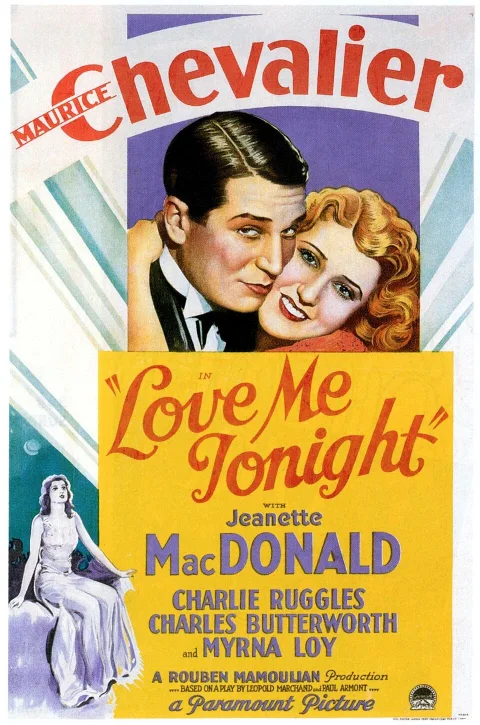
Love Me Tonight
Rouben Mamoulian
1932 film directed by Rouben Mamoulian.
Love, Rosie
Christian Ditter
2014 film directed by Christian Ditter.
Lunana: A Yak in the Classroom
Pawo Choyning Dorji
2019 film directed by Pawo Choyning Dorji.
Madame Rosa
Moshé Mizrahi
1977 film directed by Moshé Mizrahi.
Malignant
James Wan
2021 film directed by James Wan.
Man of a Thousand Faces
Joseph Pevney
1957 film directed by Joseph Pevney.
1955Man Without a StarPoster unavailable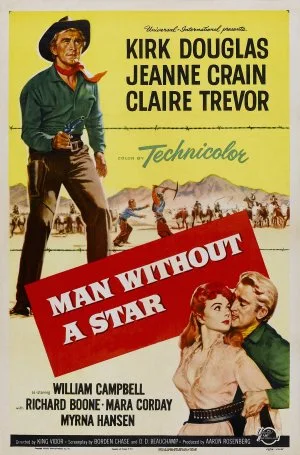
Man Without a Star
King Vidor
1955 film directed by King Vidor.
Maria
Pablo Larraín
2024 film directed by Pablo Larraín.
Marketa Lazarová
František Vláčil
1967 film directed by František Vláčil.
Matilda the Musical
Matthew Warchus
2022 film directed by Matthew Warchus.
Mean Girls
Samantha Jayne / Arturo Perez Jr.
2024 film directed by Samantha Jayne and Arturo Perez Jr..
Memory
Martin Campbell
2022 film directed by Martin Campbell.
Mercy
Timur Bekmambetov
2026 film directed by Timur Bekmambetov.
Mike and Dave Need Wedding Dates
Jake Szymanski
2016 film directed by Jake Szymanski.
Mississippi Mermaid
François Truffaut
1969 film directed by François Truffaut.
Morning Glory
Lowell Sherman
1933 film directed by Lowell Sherman.
1932Murders in the Rue MorguePoster unavailable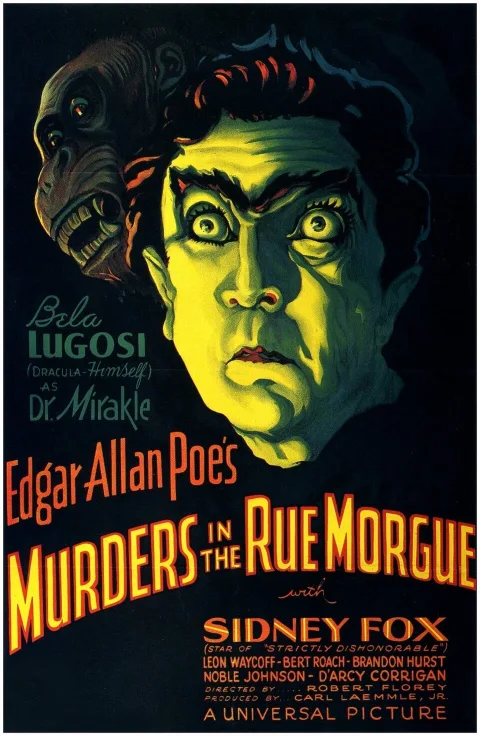
Murders in the Rue Morgue
Robert Florey
1932 film directed by Robert Florey.
My Favorite Wife
Garson Kanin
1940 film directed by Garson Kanin.
My Thoughts Are Silent
Antonio Lukich
2019 film directed by Antonio Lukich.
1935Naughty MariettaPoster unavailable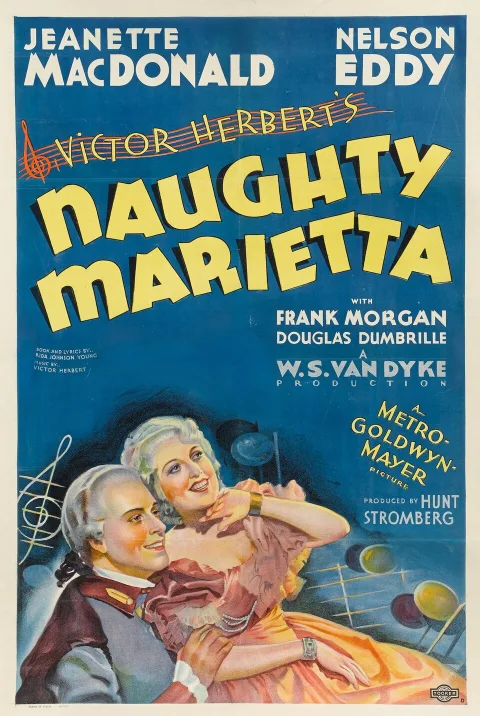
Naughty Marietta
Robert Z. Leonard / W. S. Van Dyke
1935 film directed by Robert Z. Leonard and W. S. Van Dyke.
1959Never So FewPoster unavailable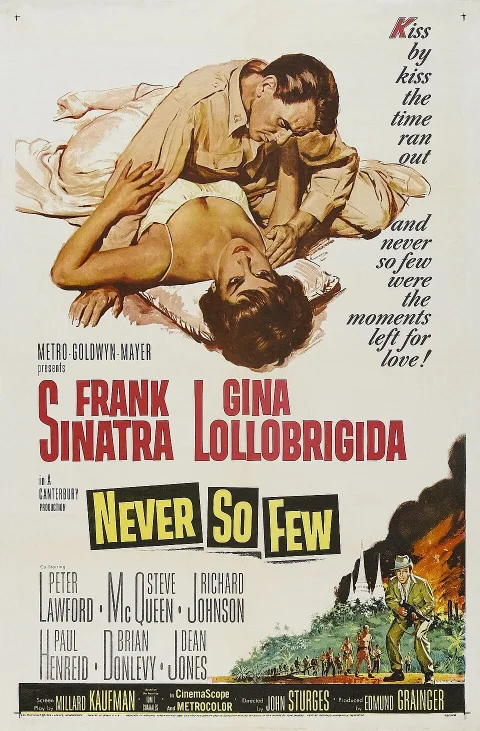
Never So Few
John Sturges
1959 film directed by John Sturges.
Night Train to Lisbon
Bille August
2013 film directed by Bille August.
No Other Choice
Park Chan-wook
2025 film directed by Park Chan-wook.
Practical guides
 01
Choose a streaming subscription
Choose a subscription by starting with the films and series you want to watch, then check their inclusion in your local plan. Compare devices, advertising, audio tracks and total…
Read guide ↗ 02
Find where to watch a film legally
To find where to watch a film legally, identify its title, year and version first. Then check the official service in your country for included access, rental or purchase: a…
Read guide ↗ 03
Understand 4K, HDR and picture quality
Resolution, HDR and compression quality describe different aspects of an image. Before changing your plan or display, check the source, title, playback settings and compatibility…
Read guide ↗ 04
Original audio, dubbing, subtitles and audio description
Original audio, dubbing, subtitles and audio description are separate choices. Check the tracks for the exact title on your device, then test a dialogue scene before viewing.
Read guide ↗ 05
Prepare offline viewing
Offline viewing requires an app that allows downloading your chosen title. Check device support, free storage and expiry, then test playback without a network before leaving.
Read guide ↗ 06
Choose a family film
Choosing a family film means checking its content, local rating and each viewer’s sensitivities. Animation or an older release does not guarantee suitability for children;…
Read guide ↗ 07
Analyse a film without losing enjoyment
To analyse a film, start with an observable detail: a position in the frame, a sound or a cut. Describe it before interpreting it, then compare it with another moment in the film.
Read guide ↗ 08
Start a series and avoid spoilers
Before starting a series, identify its starting point and episode order, then check the seasons offered by your service. Avoid spoilers by reading practical information without…
Read guide ↗ 09
Rental, purchase or subscription: which to choose?
Rental suits a specific screening; compare subscriptions using titles actually included and months used. For a digital purchase, check access terms: it does not necessarily…
Read guide ↗ 10
Watch a documentary critically
A documentary presents a viewpoint through its sources, framing and editing. Separate what is filmed, what is claimed and what evidence supports it, rather than treating an…
Read guide ↗ 11
Prepare a home film screening
To prepare a home screening, check the title, runtime, tracks and playback on your chosen device. Allow time for setup, breaks and discussion, then test sound and picture before…
Read guide ↗ 12
Live TV, catch-up and FAST channels
Live TV follows a schedule, while catch-up lets you choose a programme after broadcast within its access window. FAST channels are linear and ad-funded; check any on-demand…
Read guide ↗ 13
Buffering streams: a practical diagnosis
If streaming stalls, note the error code and check whether it affects one title, one device or the whole connection. Test one variable at a time before reinstalling an app, then…
Read guide ↗ 14
Manage renewals and cancellations
To cancel a subscription, first identify the service, store or operator billing you. Follow its procedure and keep confirmation and the access end date; deleting the app does not…
Read guide ↗ 15
Audio description and accessible subtitles
Audio description describes story-relevant visual details; accessible captions can identify voices and sounds. Check these options for the exact title, language and device, then…
Read guide ↗ 16
Cuts, restorations and editions: choose a version
To choose an edition, compare cut, runtime, framing, language and restoration source. One title can cover several versions: higher resolution alone does not establish that they…
Read guide ↗ 17
Free streaming: compare access models
A free service may use advertising, scheduled channels or a catalogue limited by time and country. Before planning a screening, check the official site, access terms and the exact…
Read guide ↗ 18
Discover silent cinema
Silent cinema also unfolds through gestures, intertitles and the musical accompaniment of your edition. Check the restoration, playback speed and score: two editions can create…
Read guide ↗ 19
Picture formats: preserve the frame
To preserve a film’s framing, respect its aspect ratio and avoid zoom settings that crop the edges. Black bars can be normal: compare the edition’s ratio with your screen’s ratio.
Read guide ↗ 20
Listen to a film: voices, music and effects
To listen closely to a film, separate voices, ambience, effects and music, then notice their entrances and silences. Ask what a sound suggests beyond the frame and who can hear it…
Read guide ↗ 21
Choose a film for your available time
To choose a film for your available time, subtract breaks and discussion first, then compare the edition’s runtime. Approximate runtimes need a margin; check series timing per…
Read guide ↗ 22
Discuss a film after viewing
A film discussion benefits from starting with a specific scene rather than an overall verdict. Separate observed detail, personal response and interpretation, then listen to other…
Read guide ↗ 23
Understand editing without jargon
To understand editing, observe what changes between two shots: place, time, movement, gaze or sound. Describe the transition and the information it adds or withholds before…
Read guide ↗ 24
Fiction, documentary and re-enactment
Fiction, documentary and reconstruction differ in their relationship to events and how they present sources. Identify who films, who narrates and what is reenacted; a realistic…
Read guide ↗ 25
Explore world cinema
To explore world cinema, start with a work and its production references, then compare specific forms and contexts. Production country, language and story setting are different…
Read guide ↗Platforms

Netflix
Films, series and original productions.

Disney+
Disney worlds, animation and franchises.

MUBI
A cinema selection with an editorial perspective.

ARTE
Films, documentaries and cultural programmes; territorial rights apply.

The Criterion Channel
Film heritage and thematic programming; check your territory.

Pluto TV
Ad-funded streaming channels and on-demand content.
Cinema paths
Cities and inequality
Explore how cities organise access to work, housing and power. Compare a character’s movements with the places closed to them.
Bodies, work and dance
From factory gestures to musical numbers, movement can tell a story without explanation. Compare physical comedy, musicals and filmed ballet while keeping their different tones in view.

Fear in confined spaces
Besieged houses, disturbing objects, labyrinthine offices: compare restrictions on movement and information. Check content advice for the images and themes in this path.
Serial, limited series or anthology?
Choose a form to suit your pace. A continuous story builds relationships over time; a limited series offers a bounded whole; an anthology renews its stories. Episode length alone does not predict the experience.

Testimony, doubt and truth
Three ways to form conviction: conflicting accounts, collective discussion and documentary investigation. Start with Rashomon, continue with 12 Angry Men, then compare The Thin Blue Line. Who produces each image, who comments on it, and what remains unverified?

Masks, roles and identities
Persona explores speech and silence, All About Eve social roles, Severance an organised separation of experience. Compare how you come to know a character: speech, another person’s gaze or gestures made away from supervision.

Black and white: light and space
Compare monochrome comedy in Safety Last!, fear in The Night of the Hunter and questioning in The Seventh Seal. Absent colour does not impose one mood. Watch silhouettes separating from backgrounds and spaces appearing open or closed.
Leaving, staying, imagining elsewhere
Compare everyday movement and imagined journeys. Touki bouki, Bicycle Thieves and Pather Panchali connect space to desire or necessity through different forms.
Clocks, waiting and duration
Three sessions on experienced time: waiting in Paris, routine in Tokyo and a confined discussion. Shot length and total runtime have different effects.

Listen beyond the frame
A sound can suggest a place, an arrival or a revised impression. A Man Escaped, Night of the Living Dead and The Piano offer different uses; unseen sound is not always threatening.
World cinema
Japan
From Seven Samurai’s group to Tokyo Story’s family and Miyazaki’s animated worlds: discover Japanese filmmakers through distinct forms rather than a single national style.
France
Paris, viewpoints and movement: Truffaut, Varda and Tati offer complementary starting points. Reference country alone does not establish setting or language.
Italy
Bicycle Thieves explores everyday life and the city; The Battle of Algiers, listed under Italy and Algeria, asks different questions about re-enactment and historical viewpoints.

India
Pather Panchali opens a path through childhood, listening and family life. This Bengali starting point alone does not represent Indian cinema’s diversity of languages and forms.
United States
This selection gathers works whose catalogue sources list the United States, spanning comedy, documentary, animation and drama. It is not a complete account of American cinema. Reference country and story setting differ: Before Sunrise takes place in Vienna while Criterion lists the United States.
United Kingdom
Catalogue references connect 2001: A Space Odyssey and The Red Shoes to the United Kingdom. The former also lists the United States; co-productions can appear in several selections. Two works do not summarise a national tradition, but offer a contrast between space journey and dance performance.
Germany
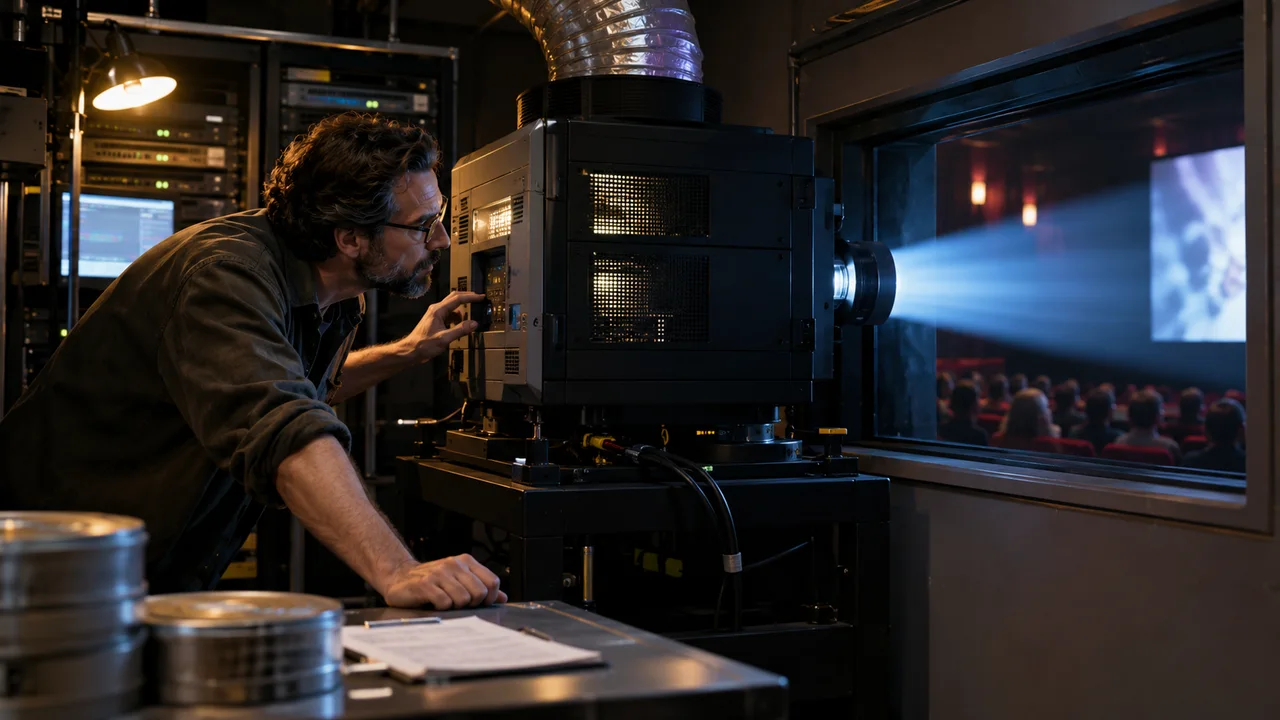
Criterion lists Germany for Wings of Desire and Perfect Days, and Japan too for Perfect Days. Their settings are Berlin and Tokyo. Reference country, filmed place and language must remain separate.
Glossary
- Off-screen space
- What lies beyond the visible frame but may be suggested by a look, sound or story.
- Sequence shot
- A continuous shot developing a sequence without a visible edit; duration alone does not explain its effect.
- Ellipsis
- An omitted interval in the story. Look for the cue that establishes time passing without showing it.
- Non-diegetic sound
- Sound outside the represented world, such as music characters cannot hear. Its status may change within a scene.
- Co-production
- Production involving partners from several countries. Listed countries depend on source scope and do not necessarily describe filming locations.
- Re-enactment
- A scene re-enacted after an event. It may illuminate an account but is not direct footage of the original event.
- Pillarboxing
- Bars beside a picture narrower than its screen. A 4:3 picture fitted without cropping on a 16:9 screen therefore leaves side bars.
- Projection frame rate
- Number of frames shown per second, distinct from picture shape. With an unchanged frame count, moving from 24 to 25 frames per second reduces runtime to 24/25 of its original value. A conversion can also preserve runtime, so this calculation does not prove that an edition runs faster.