WORLD MOVIES GUIDE ● CINEMA · TV · STREAMING
FRENESDEITPT
WORLD MOVIES GUIDE

Analyse a film without losing enjoyment

To analyse a film, start with an observable detail: a position in the frame, a sound or a cut. Describe it before interpreting it, then compare it with another moment in the film.
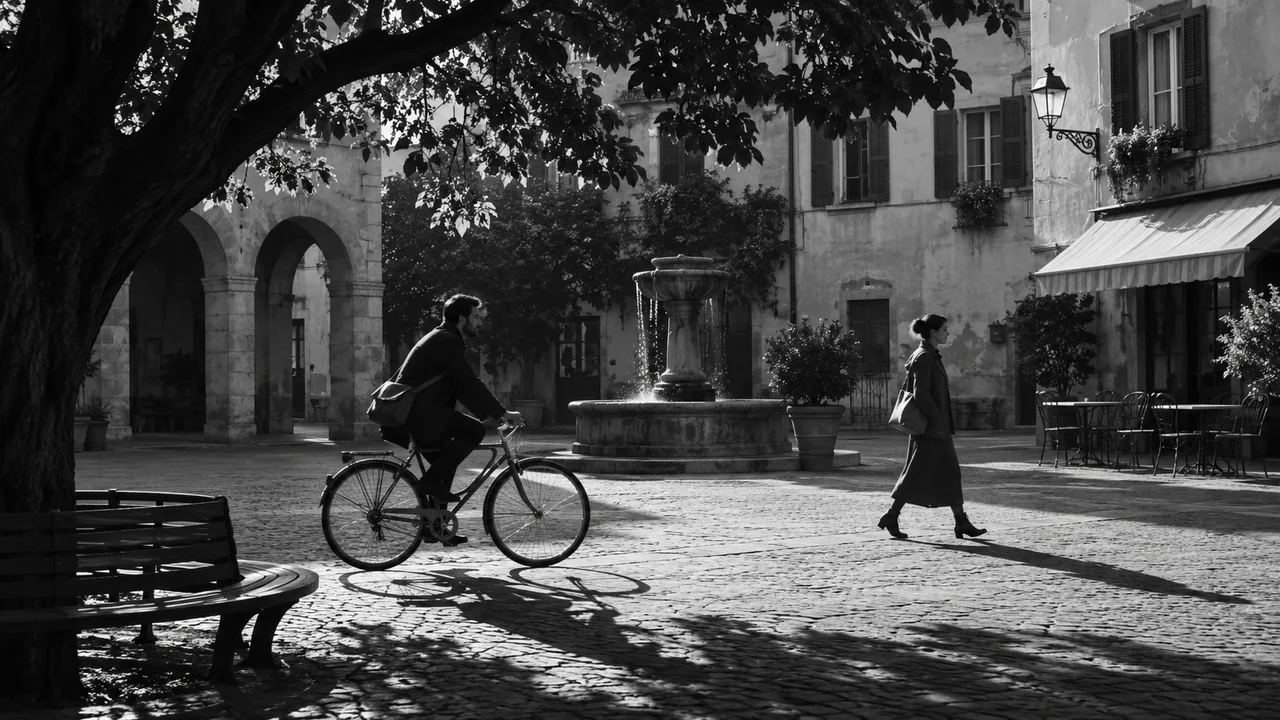
An original black-and-white cinematic street scene with an adult cyclist and a pedestrian crossing a quiet invented town square, expressive shadows, no recognisable location.
AI-generated illustration

Editorial update : · Our method

01 Describe before interpreting

On first viewing, follow the story. Afterwards note three memorable moments and describe what you actually saw or heard. Separate observations, interpretations and production facts requiring verification.

02 Observe one element

On a second pass focus on one element: framing, editing, colour or sound. Ask how it changes your understanding. A long take does not automatically mean realism; its effect depends on what happens within the frame.

03 Compare precisely

Compare a scene with another work rather than collecting adjectives. Support your view with a specific example. Personal interpretation can be sound without claiming to know the director’s intent; interviews and production documents can verify that.

Frequently asked questions

How can I support an interpretation?

Describe a precise shot or sound and its effect. Claims about filmmaker intent need an additional source.

Sources and references

Documentary reference
www.bfi.org.uk ↗

Continue exploring

Watch a documentary critically ↗Drawn animation and stop-motion: seeing materials ↗Cuts, restorations and editions: choose a version ↗

Describe a scene before interpreting it

Revisit a short passage after viewing. Start with what is visible or audible, then suggest its effect. These three approaches help discuss filmmaking beyond plot.

Three pointers for your next screening
PointerObserveExplore further
FramingFollow someone entering or leaving. Can you see their destination?Separate offscreen space from what you imagine. An unseen area may create expectation, unease or simply room for the setting.
The cutNotice changes between shots: distance, angle, place or time. Does sound continue?Explain what information the second shot adds. A cut may connect spaces, omit time or change your understanding of a look.
SoundListen for a voice, noise or music before looking for its source in the image.Ask whether sound prepares an entrance, recalls a place or contradicts the image. Loudness alone does not establish narrative importance.

To share a reading, cite a precise detail, suggest an effect, then seek another detail that might qualify your interpretation. The same scene can support different readings.

Put the advice into practice

Works cited for viewing exercises. Their presence does not imply availability on a service.