WORLD MOVIES GUIDE ● CINEMA · TV · STREAMING
FRENESDEITPT
WORLD MOVIES GUIDE

Discuss a film after viewing

A film discussion benefits from starting with a specific scene rather than an overall verdict. Separate observed detail, personal response and interpretation, then listen to other readings before concluding.
AI-generated illustration

Editorial update : · Our method

01 Share a reaction

Start without scoring: each person chooses an image, sound or reaction. Check everyone finished before discussing the ending. For beginners a concrete question works better than total interpretation: where were you placed relative to a character, and when did that change?

02 Support a reading

Separate observation from interpretation: “the camera stays in the corridor” describes a visible choice; “we are excluded” proposes a reading. Two viewers can use the same shot differently. In disagreement find a precise scene rather than unsourced claims about intent. Site collections supply shared comparison questions.

03 Consult a reference

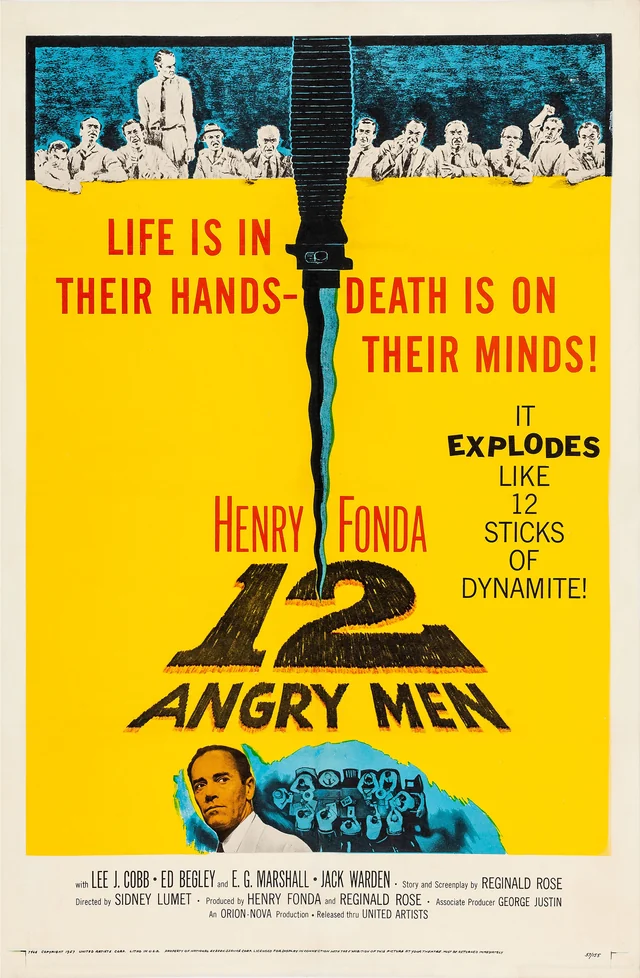
Extend discussion with one resource: edition entry, interview or analysis. Check author, date and scope before using it as an argument. With Rashomon compare accounts; with 12 Angry Men compare evidence and assumption. Entry sources verify facts; exercises remain editorial proposals.

Frequently asked questions

How can I move beyond ranking?

Choose a shared question and ask each viewer for a precise scene. Explore different responses without selecting a winning viewer.

Sources and references

Documentary reference
www.criterion.com ↗

Continue exploring

Analyse a film without losing enjoyment ↗Watch a documentary critically ↗Discover silent cinema ↗

Describe a scene before interpreting it

Revisit a short passage after viewing. Start with what is visible or audible, then suggest its effect. These three approaches help discuss filmmaking beyond plot.

Three pointers for your next screening
PointerObserveExplore further
FramingFollow someone entering or leaving. Can you see their destination?Separate offscreen space from what you imagine. An unseen area may create expectation, unease or simply room for the setting.
The cutNotice changes between shots: distance, angle, place or time. Does sound continue?Explain what information the second shot adds. A cut may connect spaces, omit time or change your understanding of a look.
SoundListen for a voice, noise or music before looking for its source in the image.Ask whether sound prepares an entrance, recalls a place or contradicts the image. Loudness alone does not establish narrative importance.

To share a reading, cite a precise detail, suggest an effect, then seek another detail that might qualify your interpretation. The same scene can support different readings.

Put the advice into practice

Works cited for viewing exercises. Their presence does not imply availability on a service.