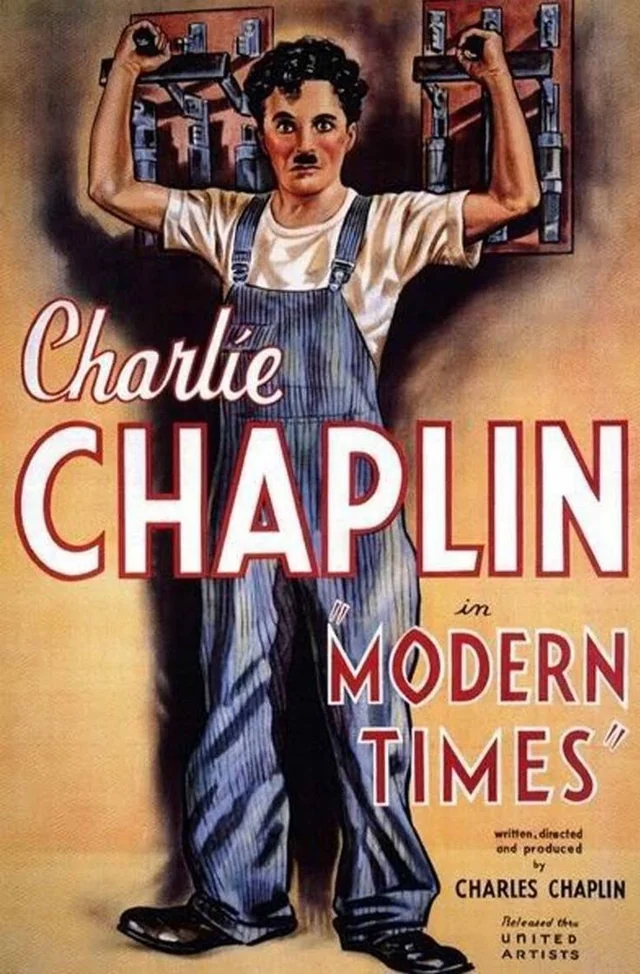
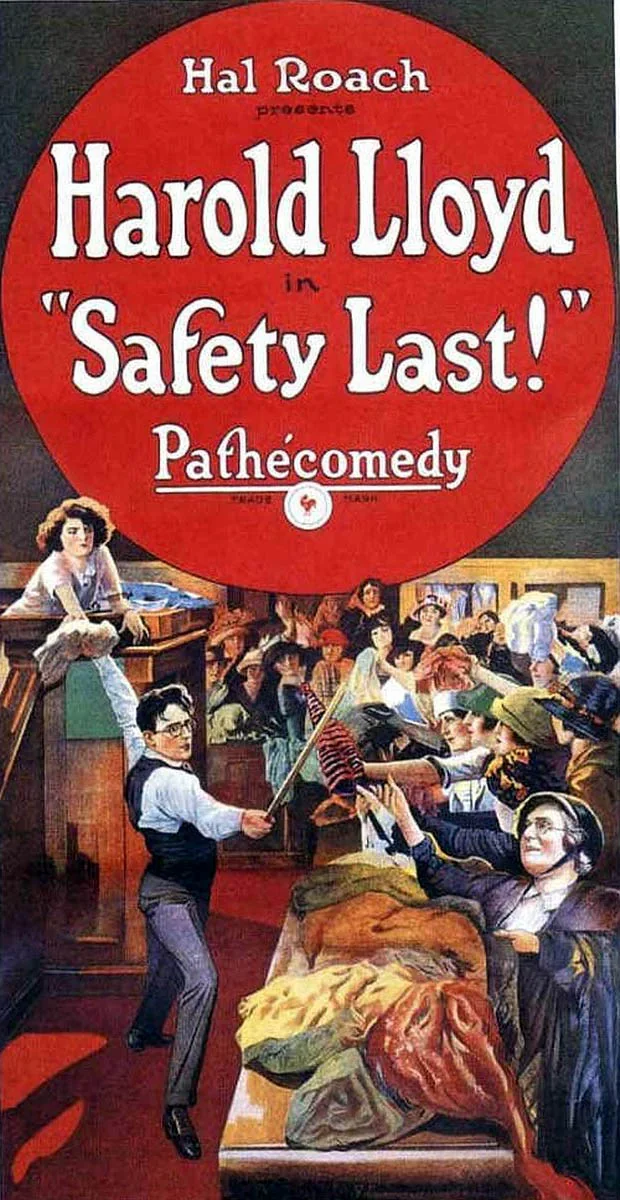
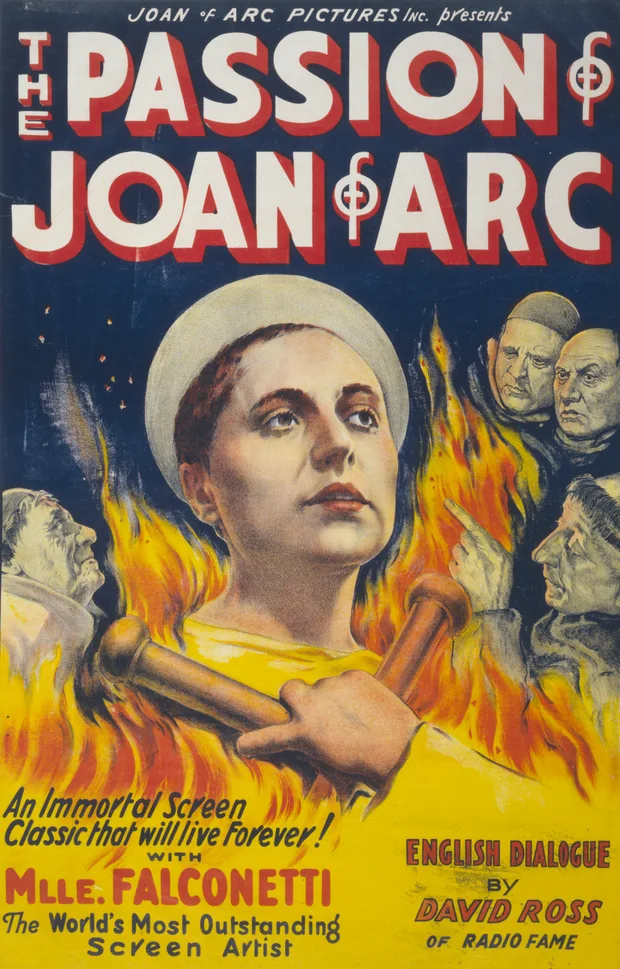
Silent cinema also unfolds through gestures, intertitles and the musical accompaniment of your edition. Check the restoration, playback speed and score: two editions can create different viewing experiences.
Editorial update : · Our method
01 Follow gestures
Start with a short comedy whose movement is easy to follow: Safety Last! is one entry in our selection. Watch hands, looks and object positions before reading intertitles. The absence of recorded dialogue does not mean absent rhythm or music; the BFI documents varied accompaniment.
02 Choose an edition
Before selecting a copy, look for edition, restoration and music credits. Avoid comparing runtimes without this context: differences may concern versions or presentation speed. Translated intertitles should remain legible without cropping their text.
03 Compare a gag
Afterwards retell one gag in three stages: setup, expectation, surprise. Compare it with Modern Times, where gestures and work give physical comedy another function. This separates a visual gag’s mechanism from the overall story without requiring a full cinema history.
From the camera to the gesture
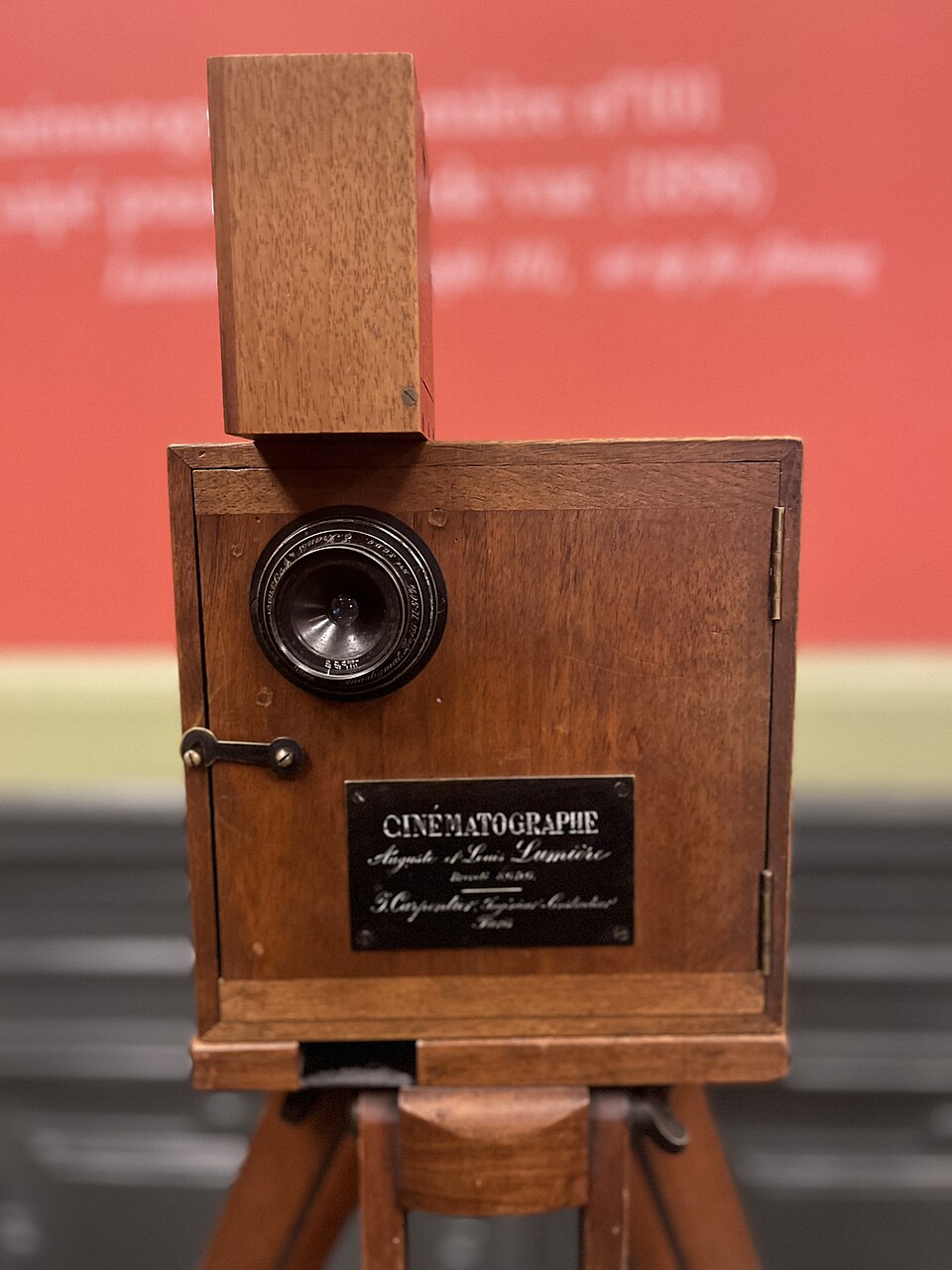
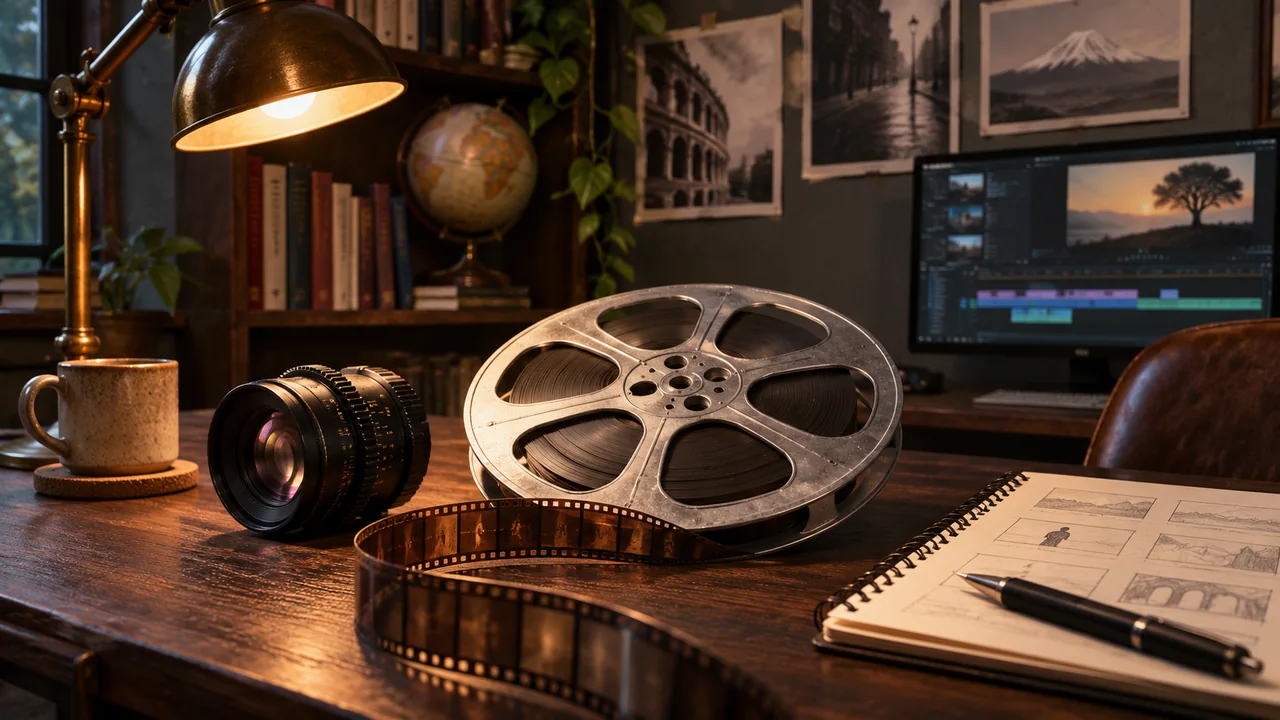
This photograph documents a museum object, not a historical screening. When watching a silent film, start with a gesture: where does it begin, what obstacle does it meet, and when does the frame let you understand its result? Then compare the role of intertitles with that of exchanged looks.
Same frame count, different runtime
This calculation isolates a frame-rate change: starting runtime × starting frame rate ÷ target frame rate. It assumes exactly the same frames with no cuts, additions or duplicates. A video conversion that preserves runtime by repeating frames does not follow this assumption.
Theoretical runtime rounded to a second :
Calculation example: 90 min at 24 frames/s becomes 108 min at 20 frames/s with the same frame count. This proves neither censorship nor the exact runtime of a commercial edition. For a silent film, record intertitles, credits and musical accompaniment too.
A documented case: The Passion of Joan of Arc ↗Frequently asked questions
Should I mute a silent film?
Editions may offer different accompaniments. Check composer and track date: music shapes perceived rhythm.