
Search
The film and television encyclopedia
Explore the encyclopedia
15980 results
Works shown : 745–768 / 15924.
Explore data for this selection
The selection in perspective
Works shown here by decade. This describes this catalogue, not world production or film popularity. Series use their first broadcast year.
- 1910–19197 works
- 1920–192952 works
- 1930–193983 works
- 1940–194962 works
- 1950–1959109 works
- 1960–1969121 works
- 1970–1979828 works
- 1980–19892071 works
- 1990–19992152 works
- 2000–20092943 works
- 2010–20194067 works
- 2020–20293429 works
Calculated from cited-edition runtimes, including approximate values; series and unknown runtimes excluded. The median divides films into two halves by runtime. Decade links open the full catalogue.
How much time for a film?
Each documented film is counted once in a range. Counts and bars describe only films in this selection with a known runtime.
- 100 min or less
5506 / 8372 5506 - 101–139 min
2618 / 8372 2618 - 140–179 min
196 / 8372 196 - 180 min or more
52 / 8372 52
Runtimes refer to cited editions and may be approximate. Allow separately for breaks and discussion. Links below open the full catalogue filtered by runtime.
About a Boy
Chris Weitz / Paul Weitz
2002 film directed by Chris Weitz and Paul Weitz
That Obscure Object of Desire
Luis Buñuel
1977 film by Luis Buñuel
The Class
Laurent Cantet
2008 French film directed by Laurent Cantet
The Last House on the Left
Wes Craven
1972 film directed by Wes Craven
1963HudPoster unavailable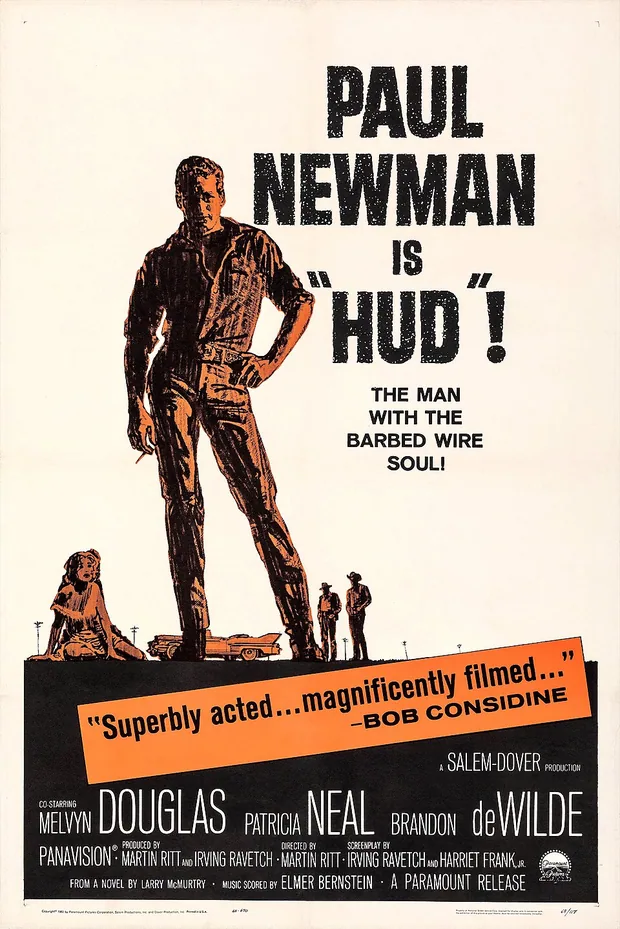
Hud
Martin Ritt
1963 film by Martin Ritt
1934The Thin ManPoster unavailable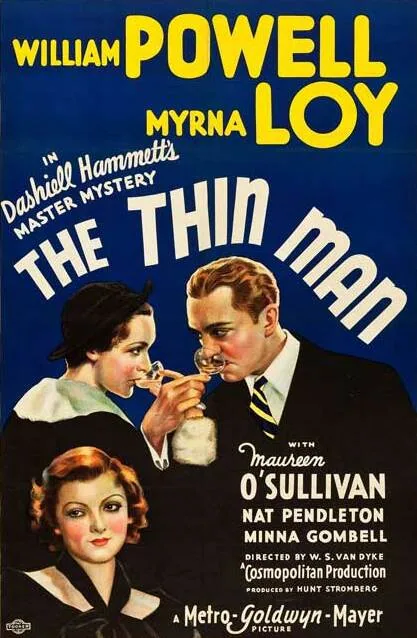
The Thin Man
W. S. Van Dyke / Lesley Selander
1934 film
Jaws 3-D
Joe Alves
1983 film directed by Joe Alves
In the Mouth of Madness
John Carpenter
1994 film directed by John Carpenter
Fantômas contre Scotland Yard
André Hunebelle
1967 film by André Hunebelle
45 Years
Andrew Haigh
2015 film by Andrew Haigh
Dirty Grandpa
Dan Mazer
2016 film directed by Dan Mazer
Trumbo
Jay Roach
2015 film by Jay Roach
25th Hour
Spike Lee
2002 film by Spike Lee
The Snowman
Tomas Alfredson
2017 film directed by Tomas Alfredson
The Color of Pomegranates
Sergei Parajanov
1969 film by Sergei Parajanov
Okja
Bong Joon-ho
2017 film by Bong Joon-ho
Bugsy
Barry Levinson
1991 film directed by Barry Levinson
Victory Through Air Power
Clyde Geronimi / H. C. Potter / James Algar / Jack Kinney
1943 US partly-animated Disney film
The Next Three Days
Paul Haggis
2010 film by Paul Haggis
The New World
Terrence Malick
2005 film by Terrence Malick
The Great Race
Blake Edwards
1965 film by Blake Edwards
Big Momma's House
Raja Gosnell
2000 film by Raja Gosnell
The Postman Always Rings Twice
Bob Rafelson
1981 film by Bob Rafelson
Red Desert
Michelangelo Antonioni
1964 film by Michelangelo Antonioni
Practical guides
 01
Choose a streaming subscription
Choose a subscription by starting with the films and series you want to watch, then check their inclusion in your local plan. Compare devices, advertising, audio tracks and total…
Read guide ↗ 02
Find where to watch a film legally
To find where to watch a film legally, identify its title, year and version first. Then check the official service in your country for included access, rental or purchase: a…
Read guide ↗ 03
Understand 4K, HDR and picture quality
Resolution, HDR and compression quality describe different aspects of an image. Before changing your plan or display, check the source, title, playback settings and compatibility…
Read guide ↗ 04
Original audio, dubbing, subtitles and audio description
Original audio, dubbing, subtitles and audio description are separate choices. Check the tracks for the exact title on your device, then test a dialogue scene before viewing.
Read guide ↗ 05
Prepare offline viewing
Offline viewing requires an app that allows downloading your chosen title. Check device support, free storage and expiry, then test playback without a network before leaving.
Read guide ↗ 06
Choose a family film
Choosing a family film means checking its content, local rating and each viewer’s sensitivities. Animation or an older release does not guarantee suitability for children;…
Read guide ↗ 07
Analyse a film without losing enjoyment
To analyse a film, start with an observable detail: a position in the frame, a sound or a cut. Describe it before interpreting it, then compare it with another moment in the film.
Read guide ↗ 08
Start a series and avoid spoilers
Before starting a series, identify its starting point and episode order, then check the seasons offered by your service. Avoid spoilers by reading practical information without…
Read guide ↗ 09
Rental, purchase or subscription: which to choose?
Rental suits a specific screening; compare subscriptions using titles actually included and months used. For a digital purchase, check access terms: it does not necessarily…
Read guide ↗ 10
Watch a documentary critically
A documentary presents a viewpoint through its sources, framing and editing. Separate what is filmed, what is claimed and what evidence supports it, rather than treating an…
Read guide ↗ 11
Prepare a home film screening
To prepare a home screening, check the title, runtime, tracks and playback on your chosen device. Allow time for setup, breaks and discussion, then test sound and picture before…
Read guide ↗ 12
Live TV, catch-up and FAST channels
Live TV follows a schedule, while catch-up lets you choose a programme after broadcast within its access window. FAST channels are linear and ad-funded; check any on-demand…
Read guide ↗ 13
Buffering streams: a practical diagnosis
If streaming stalls, note the error code and check whether it affects one title, one device or the whole connection. Test one variable at a time before reinstalling an app, then…
Read guide ↗ 14
Manage renewals and cancellations
To cancel a subscription, first identify the service, store or operator billing you. Follow its procedure and keep confirmation and the access end date; deleting the app does not…
Read guide ↗ 15
Audio description and accessible subtitles
Audio description describes story-relevant visual details; accessible captions can identify voices and sounds. Check these options for the exact title, language and device, then…
Read guide ↗ 16
Cuts, restorations and editions: choose a version
To choose an edition, compare cut, runtime, framing, language and restoration source. One title can cover several versions: higher resolution alone does not establish that they…
Read guide ↗ 17
Free streaming: compare access models
A free service may use advertising, scheduled channels or a catalogue limited by time and country. Before planning a screening, check the official site, access terms and the exact…
Read guide ↗ 18
Discover silent cinema
Silent cinema also unfolds through gestures, intertitles and the musical accompaniment of your edition. Check the restoration, playback speed and score: two editions can create…
Read guide ↗ 19
Picture formats: preserve the frame
To preserve a film’s framing, respect its aspect ratio and avoid zoom settings that crop the edges. Black bars can be normal: compare the edition’s ratio with your screen’s ratio.
Read guide ↗ 20
Listen to a film: voices, music and effects
To listen closely to a film, separate voices, ambience, effects and music, then notice their entrances and silences. Ask what a sound suggests beyond the frame and who can hear it…
Read guide ↗ 21
Choose a film for your available time
To choose a film for your available time, subtract breaks and discussion first, then compare the edition’s runtime. Approximate runtimes need a margin; check series timing per…
Read guide ↗ 22
Discuss a film after viewing
A film discussion benefits from starting with a specific scene rather than an overall verdict. Separate observed detail, personal response and interpretation, then listen to other…
Read guide ↗ 23
Understand editing without jargon
To understand editing, observe what changes between two shots: place, time, movement, gaze or sound. Describe the transition and the information it adds or withholds before…
Read guide ↗ 24
Fiction, documentary and re-enactment
Fiction, documentary and reconstruction differ in their relationship to events and how they present sources. Identify who films, who narrates and what is reenacted; a realistic…
Read guide ↗ 25
Explore world cinema
To explore world cinema, start with a work and its production references, then compare specific forms and contexts. Production country, language and story setting are different…
Read guide ↗Platforms

Netflix
Films, series and original productions.

Disney+
Disney worlds, animation and franchises.

MUBI
A cinema selection with an editorial perspective.

ARTE
Films, documentaries and cultural programmes; territorial rights apply.

The Criterion Channel
Film heritage and thematic programming; check your territory.

Pluto TV
Ad-funded streaming channels and on-demand content.
Cinema paths
Cities and inequality
Explore how cities organise access to work, housing and power. Compare a character’s movements with the places closed to them.
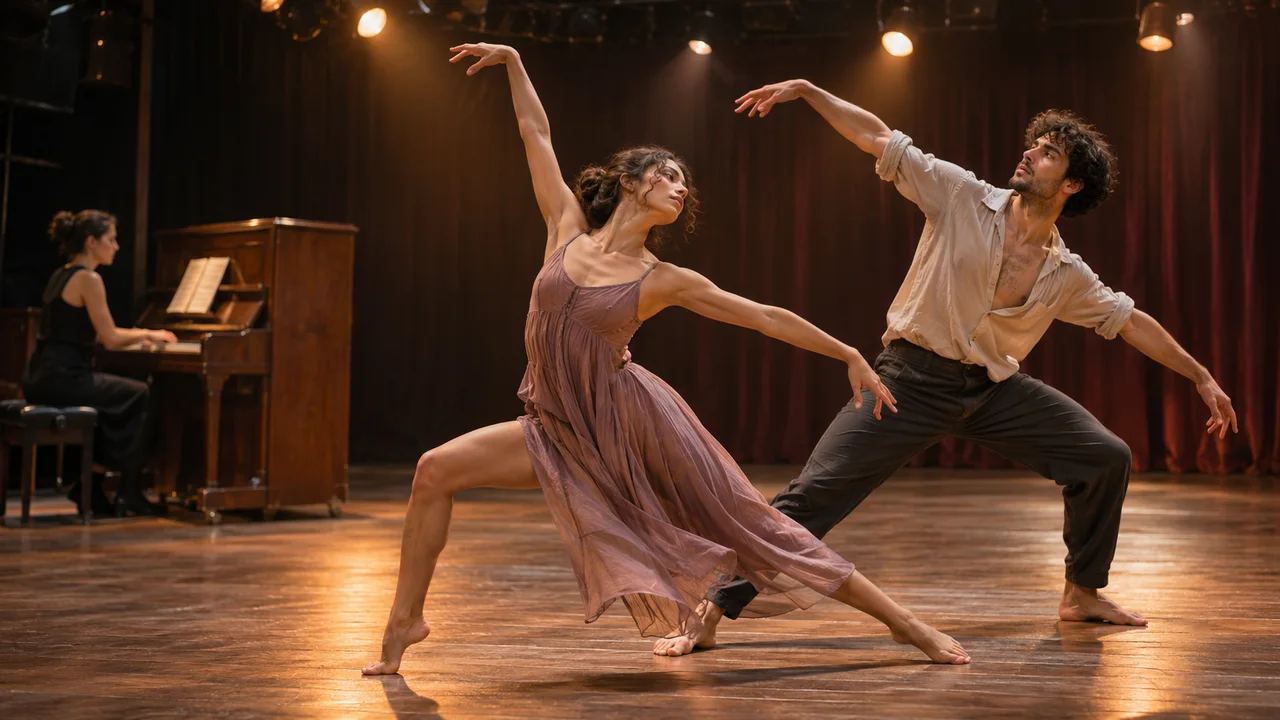
Bodies, work and dance
From factory gestures to musical numbers, movement can tell a story without explanation. Compare physical comedy, musicals and filmed ballet while keeping their different tones in view.

Fear in confined spaces
Besieged houses, disturbing objects, labyrinthine offices: compare restrictions on movement and information. Check content advice for the images and themes in this path.

Serial, limited series or anthology?
Choose a form to suit your pace. A continuous story builds relationships over time; a limited series offers a bounded whole; an anthology renews its stories. Episode length alone does not predict the experience.
Testimony, doubt and truth
Three ways to form conviction: conflicting accounts, collective discussion and documentary investigation. Start with Rashomon, continue with 12 Angry Men, then compare The Thin Blue Line. Who produces each image, who comments on it, and what remains unverified?

Masks, roles and identities
Persona explores speech and silence, All About Eve social roles, Severance an organised separation of experience. Compare how you come to know a character: speech, another person’s gaze or gestures made away from supervision.
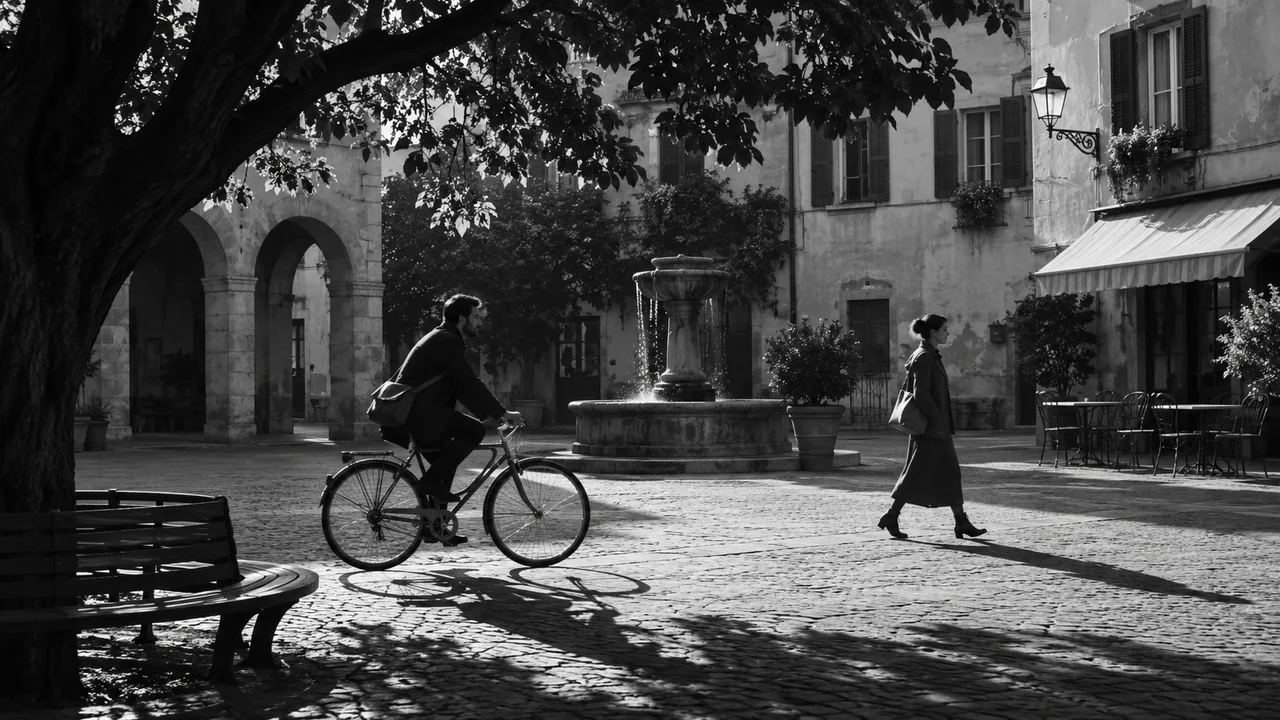
Black and white: light and space
Compare monochrome comedy in Safety Last!, fear in The Night of the Hunter and questioning in The Seventh Seal. Absent colour does not impose one mood. Watch silhouettes separating from backgrounds and spaces appearing open or closed.
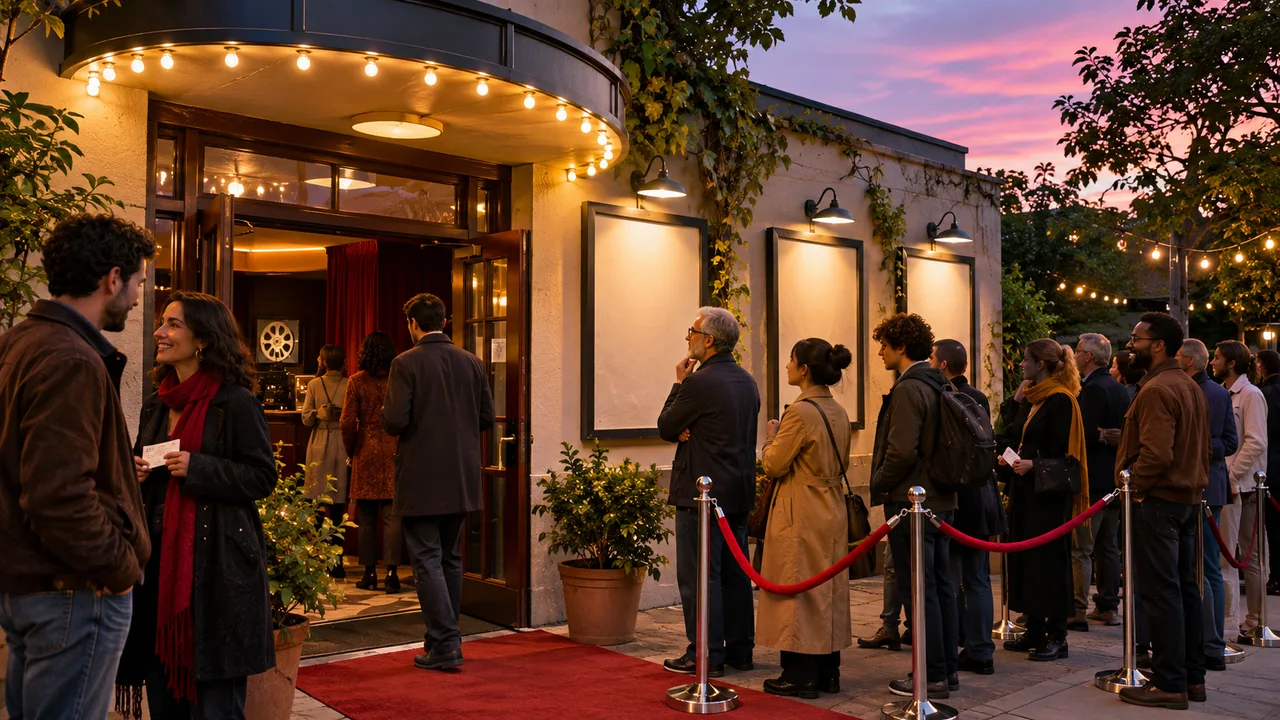
Leaving, staying, imagining elsewhere
Compare everyday movement and imagined journeys. Touki bouki, Bicycle Thieves and Pather Panchali connect space to desire or necessity through different forms.
Clocks, waiting and duration
Three sessions on experienced time: waiting in Paris, routine in Tokyo and a confined discussion. Shot length and total runtime have different effects.

Listen beyond the frame
A sound can suggest a place, an arrival or a revised impression. A Man Escaped, Night of the Living Dead and The Piano offer different uses; unseen sound is not always threatening.
World cinema
Japan
From Seven Samurai’s group to Tokyo Story’s family and Miyazaki’s animated worlds: discover Japanese filmmakers through distinct forms rather than a single national style.
France
Paris, viewpoints and movement: Truffaut, Varda and Tati offer complementary starting points. Reference country alone does not establish setting or language.
Italy
Bicycle Thieves explores everyday life and the city; The Battle of Algiers, listed under Italy and Algeria, asks different questions about re-enactment and historical viewpoints.

India
Pather Panchali opens a path through childhood, listening and family life. This Bengali starting point alone does not represent Indian cinema’s diversity of languages and forms.
United States
This selection gathers works whose catalogue sources list the United States, spanning comedy, documentary, animation and drama. It is not a complete account of American cinema. Reference country and story setting differ: Before Sunrise takes place in Vienna while Criterion lists the United States.
United Kingdom
Catalogue references connect 2001: A Space Odyssey and The Red Shoes to the United Kingdom. The former also lists the United States; co-productions can appear in several selections. Two works do not summarise a national tradition, but offer a contrast between space journey and dance performance.
Germany
Criterion lists Germany for Wings of Desire and Perfect Days, and Japan too for Perfect Days. Their settings are Berlin and Tokyo. Reference country, filmed place and language must remain separate.
Glossary
- Off-screen space
- What lies beyond the visible frame but may be suggested by a look, sound or story.
- Sequence shot
- A continuous shot developing a sequence without a visible edit; duration alone does not explain its effect.
- Ellipsis
- An omitted interval in the story. Look for the cue that establishes time passing without showing it.
- Non-diegetic sound
- Sound outside the represented world, such as music characters cannot hear. Its status may change within a scene.
- Co-production
- Production involving partners from several countries. Listed countries depend on source scope and do not necessarily describe filming locations.
- Re-enactment
- A scene re-enacted after an event. It may illuminate an account but is not direct footage of the original event.
- Pillarboxing
- Bars beside a picture narrower than its screen. A 4:3 picture fitted without cropping on a 16:9 screen therefore leaves side bars.
- Projection frame rate
- Number of frames shown per second, distinct from picture shape. With an unchanged frame count, moving from 24 to 25 frames per second reduces runtime to 24/25 of its original value. A conversion can also preserve runtime, so this calculation does not prove that an edition runs faster.