
Search
The film and television encyclopedia
Explore the encyclopedia
5117 results
Works shown : 3313–3336 / 5083.
Explore data for this selection
The selection in perspective
Works shown here by decade. This describes this catalogue, not world production or film popularity. Series use their first broadcast year.
- 1910–19196 works
- 1920–192947 works
- 1930–193998 works
- 1940–1949119 works
- 1950–1959181 works
- 1960–1969234 works
- 1970–1979291 works
- 1980–1989422 works
- 1990–1999706 works
- 2000–20091205 works
- 2010–20191320 works
- 2020–2029454 works
- Shortest
- 6 minKid Auto Races at Venice
- Median runtime
- 110 min3944 documented films
- Longest
- 432 minWar and Peace
Calculated from cited-edition runtimes, including approximate values; series and unknown runtimes excluded. The median divides films into two halves by runtime. Decade links open the full catalogue.
How much time for a film?
Each documented film is counted once in a range. Counts and bars describe only films in this selection with a known runtime.
- 100 min or less
1154 / 3944 1154 - 101–139 min
2355 / 3944 2355 - 140–179 min
370 / 3944 370 - 180 min or more
65 / 3944 65
Runtimes refer to cited editions and may be approximate. Allow separately for breaks and discussion. Links below open the full catalogue filtered by runtime.
Street Kings
David Ayer
2008 film directed by David Ayer
Avanti!
Billy Wilder
1972 American/Italian film by Billy Wilder
Cujo
Lewis Teague
1983 film by Lewis Teague
Cassandra's Dream
Woody Allen
2007 film by Woody Allen
The Fearless Vampire Killers
Roman Polanski
1967 film by Roman Polanski
Road Trip
Todd Phillips
2000 film by Todd Phillips
The Spy Next Door
Brian Levant
2010 film by Brian Levant
Betty Blue
Jean-Jacques Beineix
1986 film directed by Jean-Jacques Beineix
Big Momma's House 2
John Whitesell
2006 film by John Whitesell
New Police Story
Benny Chan
2004 film by Benny Chan
Colombiana
Olivier Megaton
2011 film directed by Olivier Megaton
The Taking of Pelham 123
Tony Scott
2009 film by Tony Scott
Manhunter
Michael Mann
1986 film by Michael Mann
1919Broken BlossomsPoster unavailable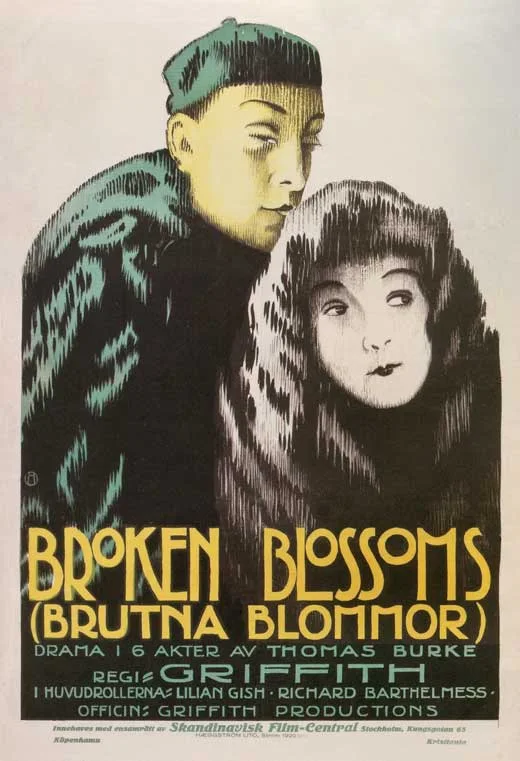
Broken Blossoms
D. W. Griffith
1919 film by D. W. Griffith
High Plains Drifter
Clint Eastwood
1973 American western film directed by Clint Eastwood
Team America: World Police
Trey Parker
2004 film directed by Trey Parker
Prêt-à-Porter
Robert Altman
1994 film by Robert Altman
Paranormal Activity 2
Kip Williams
2010 film by Tod Williams
The First Wives Club
Hugh Wilson
1996 film by Hugh Wilson
1929BlackmailPoster unavailable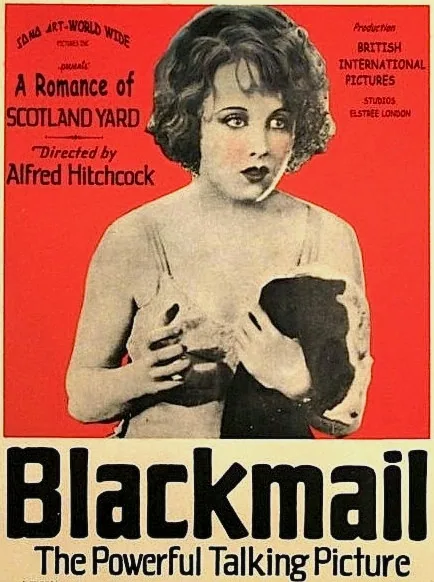
Blackmail
Alfred Hitchcock
1929 film by Alfred Hitchcock
Race to Witch Mountain
Andy Fickman
2009 film by Andy Fickman
Along Came a Spider
Lee Tamahori
2001 film by Lee Tamahori
Above the Law
Andrew Davis
1988 US film by Andrew Davis
Never Let Me Go
Mark Romanek
2010 film by Mark Romanek
Practical guides
 AI-generated illustration01
Find where to watch a film legally
To find where to watch a film legally, identify its title, year and version first. Then check the official service in your country for included access, rental or purchase: a…
Read guide ↗ AI-generated illustration02
Understand 4K, HDR and picture quality
Resolution, HDR and compression quality describe different aspects of an image. Before changing your plan or display, check the source, title, playback settings and compatibility…
Read guide ↗ AI-generated illustration03
Original audio, dubbing, subtitles and audio description
Original audio, dubbing, subtitles and audio description are separate choices. Check the tracks for the exact title on your device, then test a dialogue scene before viewing.
Read guide ↗ AI-generated illustration04
Choose a family film
Choosing a family film means checking its content, local rating and each viewer’s sensitivities. Animation or an older release does not guarantee suitability for children;…
Read guide ↗ AI-generated illustration05
Watch a documentary critically
A documentary presents a viewpoint through its sources, framing and editing. Separate what is filmed, what is claimed and what evidence supports it, rather than treating an…
Read guide ↗ AI-generated illustration06
Prepare a home film screening
To prepare a home screening, check the title, runtime, tracks and playback on your chosen device. Allow time for setup, breaks and discussion, then test sound and picture before…
Read guide ↗ AI-generated illustration07
Drawn animation and stop-motion: seeing materials
To watch animation closely, observe how material, drawing or volume changes between images. Compare movement, texture and rhythm without reducing techniques to a contrast between…
Read guide ↗ AI-generated illustration08
Free streaming: compare access models
A free service may use advertising, scheduled channels or a catalogue limited by time and country. Before planning a screening, check the official site, access terms and the exact…
Read guide ↗ AI-generated illustration09
Discover silent cinema
Silent cinema also unfolds through gestures, intertitles and the musical accompaniment of your edition. Check the restoration, playback speed and score: two editions can create…
Read guide ↗ AI-generated illustration10
Watch a black-and-white film
Watching black-and-white cinema means following contrast, textures and the separation of planes through light. Describe a bright area and a dark area before assigning symbolic…
Read guide ↗ AI-generated illustration11
Listen to a film: voices, music and effects
To listen closely to a film, separate voices, ambience, effects and music, then notice their entrances and silences. Ask what a sound suggests beyond the frame and who can hear it…
Read guide ↗ AI-generated illustration12
Choose a film for your available time
To choose a film for your available time, subtract breaks and discussion first, then compare the edition’s runtime. Approximate runtimes need a margin; check series timing per…
Read guide ↗ AI-generated illustration13
Discuss a film after viewing
A film discussion benefits from starting with a specific scene rather than an overall verdict. Separate observed detail, personal response and interpretation, then listen to other…
Read guide ↗ AI-generated illustration14
Understand editing without jargon
To understand editing, observe what changes between two shots: place, time, movement, gaze or sound. Describe the transition and the information it adds or withholds before…
Read guide ↗Platforms

Disney+
Disney worlds, animation and franchises.

ARTE
Films, documentaries and cultural programmes; territorial rights apply.
Cinema paths
Cities and inequality
Explore how cities organise access to work, housing and power. Compare a character’s movements with the places closed to them.
Three animated worlds
Puppets, familiar landscapes and fantastic places: compare three ways of making a world tangible. This is a viewing exercise; check suitability separately for each viewer’s age.
Everyday gestures and routines
A gesture can express constraint, habit or choice. Compare mechanical work in Modern Times, the day in Perfect Days and circulation in PlayTime. Instead of imposing one moral, notice what repetition changes in your perception of character and place.
Masks, roles and identities
Persona explores speech and silence, All About Eve social roles, Severance an organised separation of experience. Compare how you come to know a character: speech, another person’s gaze or gestures made away from supervision.
The city seen and heard
Compare crowds and sound in PlayTime, Do the Right Thing and Koyaanisqatsi. A street can host exchange, direct bodies or create rhythms. Choose a scene making each city recognisable without consulting a map.
Black and white: light and space
Compare monochrome comedy in Safety Last!, fear in The Night of the Hunter and questioning in The Seventh Seal. Absent colour does not impose one mood. Watch silhouettes separating from backgrounds and spaces appearing open or closed.
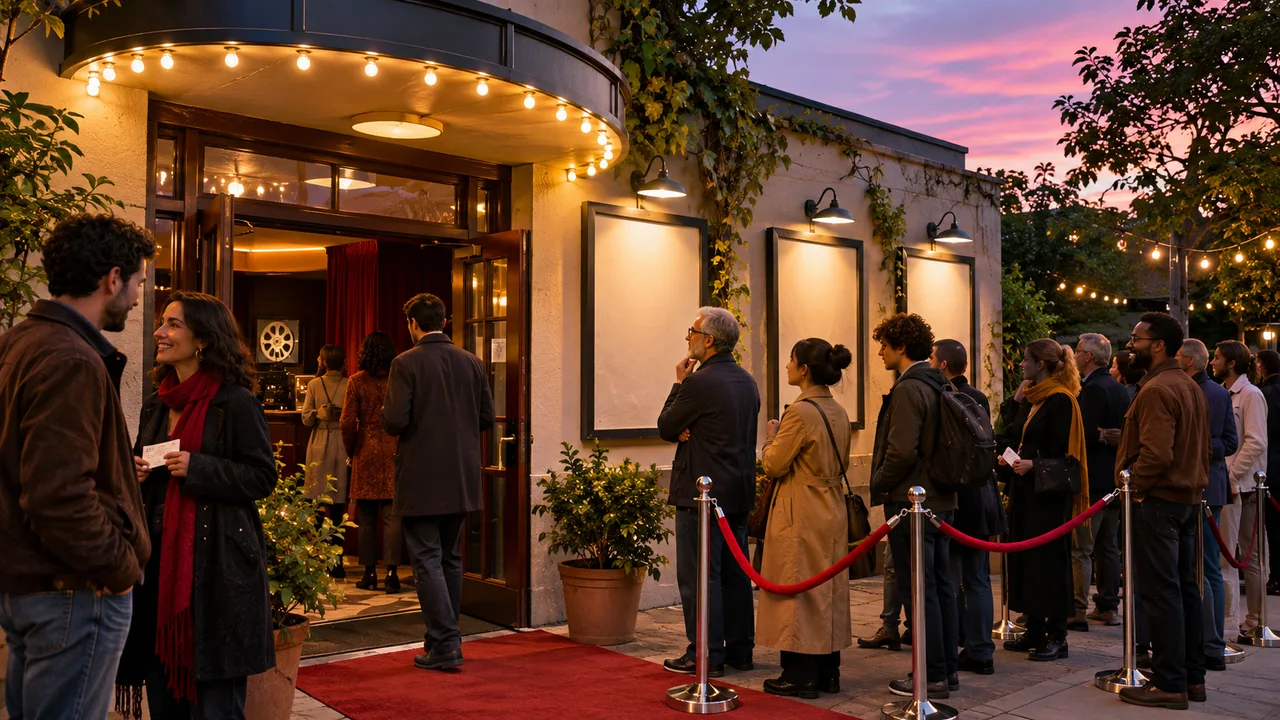
Leaving, staying, imagining elsewhere
Compare everyday movement and imagined journeys. Touki bouki, Bicycle Thieves and Pather Panchali connect space to desire or necessity through different forms.
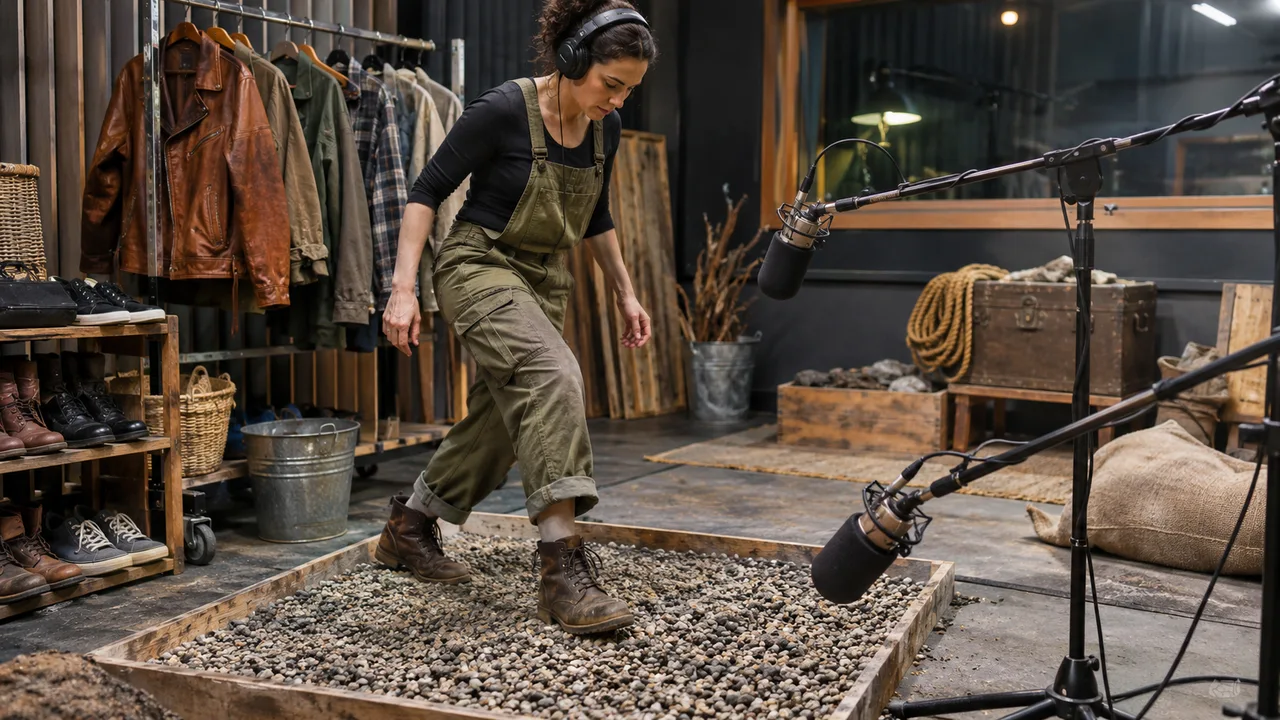
Listen beyond the frame
A sound can suggest a place, an arrival or a revised impression. A Man Escaped, Night of the Living Dead and The Piano offer different uses; unseen sound is not always threatening.
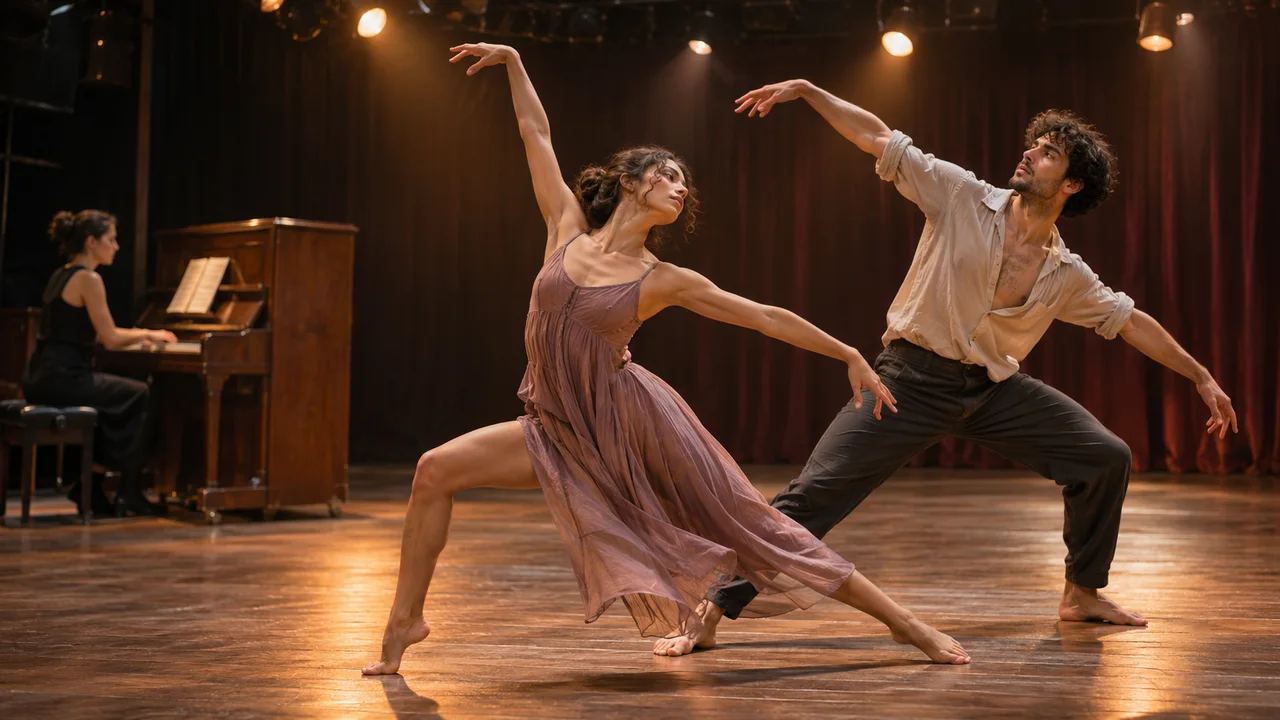
Three Colors: three ways of relating
Returning music, an exchange changing meaning, a voice heard at a distance: connect the films through a precise situation as well as their colours.
World cinema
Japan
From Seven Samurai’s group to Tokyo Story’s family and Miyazaki’s animated worlds: discover Japanese filmmakers through distinct forms rather than a single national style.
India
Pather Panchali opens a path through childhood, listening and family life. This Bengali starting point alone does not represent Indian cinema’s diversity of languages and forms.
Senegal
Touki bouki offers discovery through movement, departure and sonic breaks. This dossier follows one work and filmmaker rather than claiming to summarise Senegalese cinema.
United States
This selection gathers works whose catalogue sources list the United States, spanning comedy, documentary, animation and drama. It is not a complete account of American cinema. Reference country and story setting differ: Before Sunrise takes place in Vienna while Criterion lists the United States.
United Kingdom
Catalogue references connect 2001: A Space Odyssey and The Red Shoes to the United Kingdom. The former also lists the United States; co-productions can appear in several selections. Two works do not summarise a national tradition, but offer a contrast between space journey and dance performance.
Germany
Criterion lists Germany for Wings of Desire and Perfect Days, and Japan too for Perfect Days. Their settings are Berlin and Tokyo. Reference country, filmed place and language must remain separate.
Glossary
- AD
- Audio description: narration of useful visual elements between dialogue; check language and title support. Check the track on the actual edition and device. A feature named in general service help does not confirm support for every work; listen to the opening and identify the selected language.
- Shot
- A shot is a unit between cuts in the presented edit. Describe length, distance and movement before interpreting its effect.