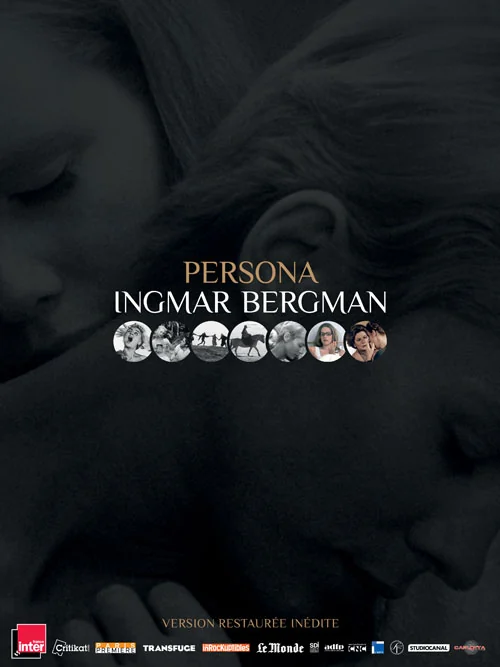
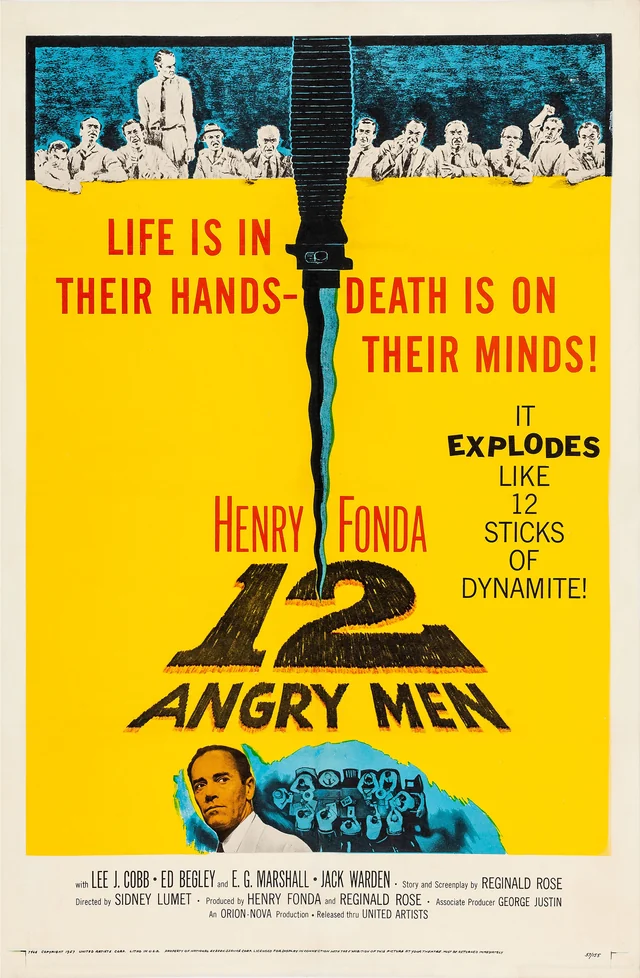
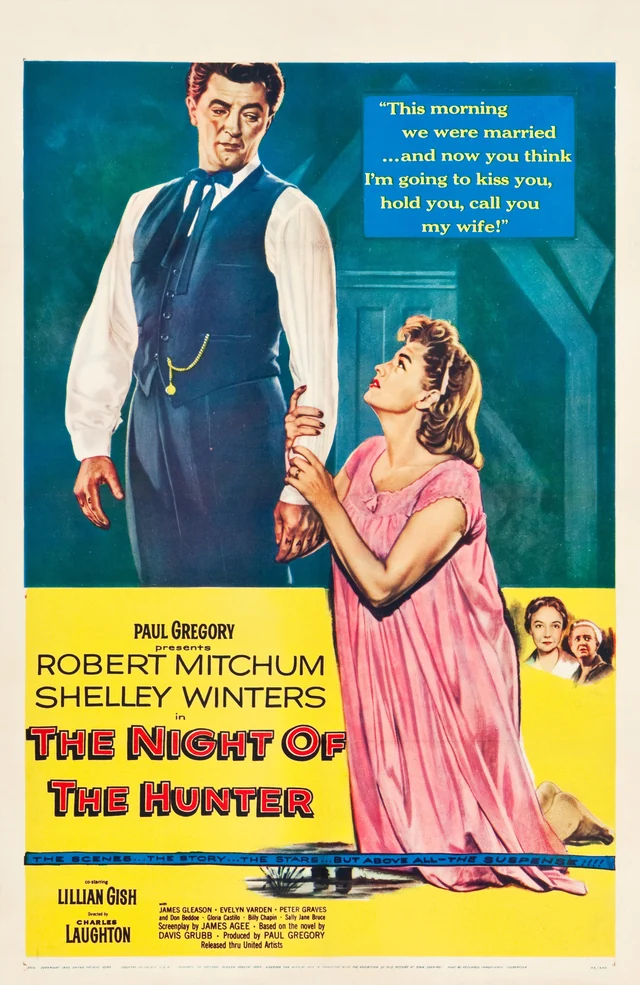
Watching black-and-white cinema means following contrast, textures and the separation of planes through light. Describe a bright area and a dark area before assigning symbolic meaning to the image.
Editorial update : · Our method
01 Choose a viewpoint
Choose a simple question: how does light direct attention? Follow faces in Persona, silhouettes in The Night of the Hunter, and bodies sharing a room in 12 Angry Men. These are different exercises; the entries provide reference runtimes for planning.
02 Read contrasts
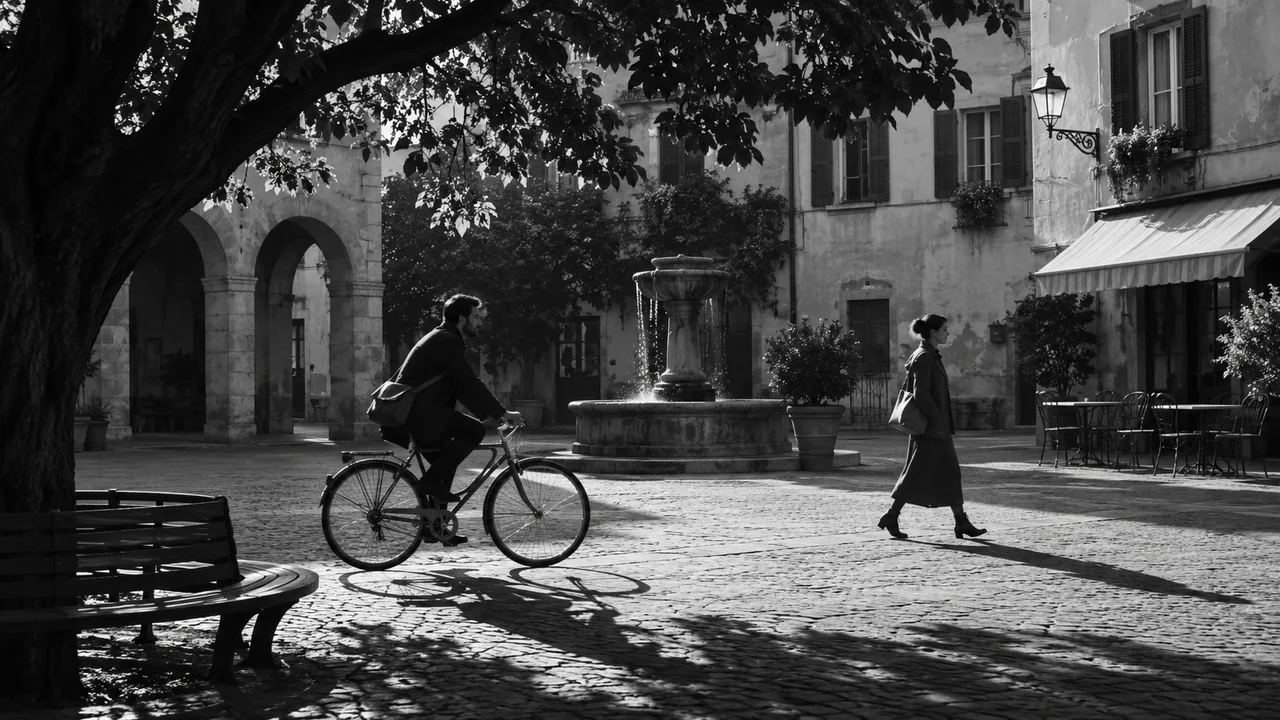
Look at textures and brightness differences: clothes, walls, skin and sky separate without colour. If shadows become solid black or highlights lose detail, compare another programme and your display settings first. Change one setting at a time and record it so you can undo it.
03 Compare images
Black and white is neither a date nor a genre; the BFI also discusses modern British examples. After viewing compare two shots: which feels deeper, more threatening or calmer, and why? Cite a specific contrast rather than automatically calling every monochrome image nostalgic.
Understand the frame at a glance
Aspect ratio is width divided by height. At equal width, a wider frame is shorter: black bars preserve composition. They alone do not indicate a poor copy.
Equal-width diagram, without film stills. 16:9 ≈ 1.78:1.
Why avoid automatic zoom?
Filling the screen may crop edges or stretch faces. Start with the original or fit setting, then check all four edges and subtitles. A film may deliberately change ratio: do not correct every change.
Frequently asked questions
Should I increase contrast?
Preserve gradation: crushed blacks and clipped whites hide information. Compare a scene before and after adjustment.