
Three Colors: three ways of relating
Returning music, an exchange changing meaning, a voice heard at a distance: connect the films through a precise situation as well as their colours.
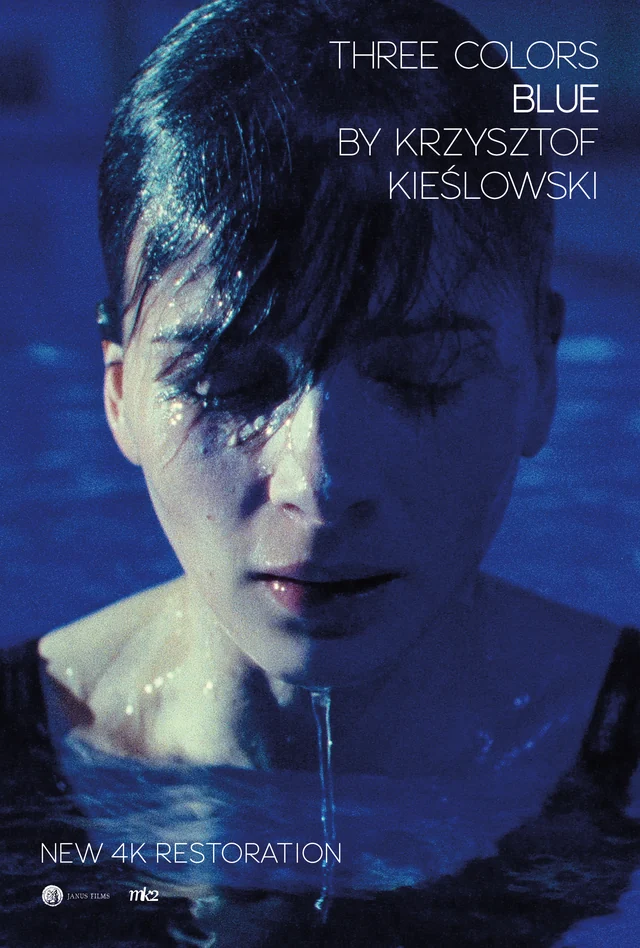
Three Colors: Blue
Krzysztof Kieślowski
1994Three Colors: WhitePoster unavailable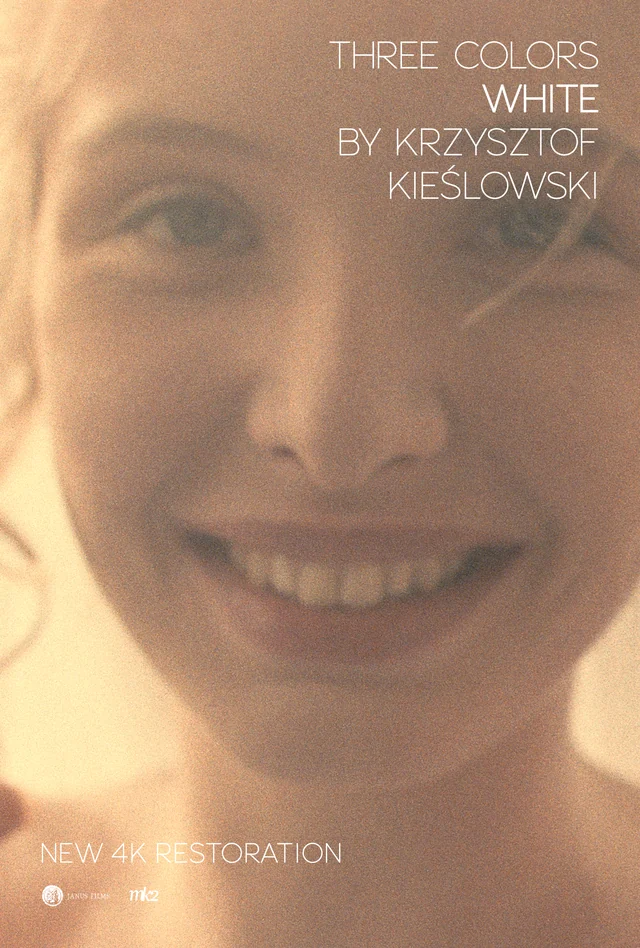
Three Colors: White
Krzysztof Kieślowski
1994Three Colors: RedPoster unavailable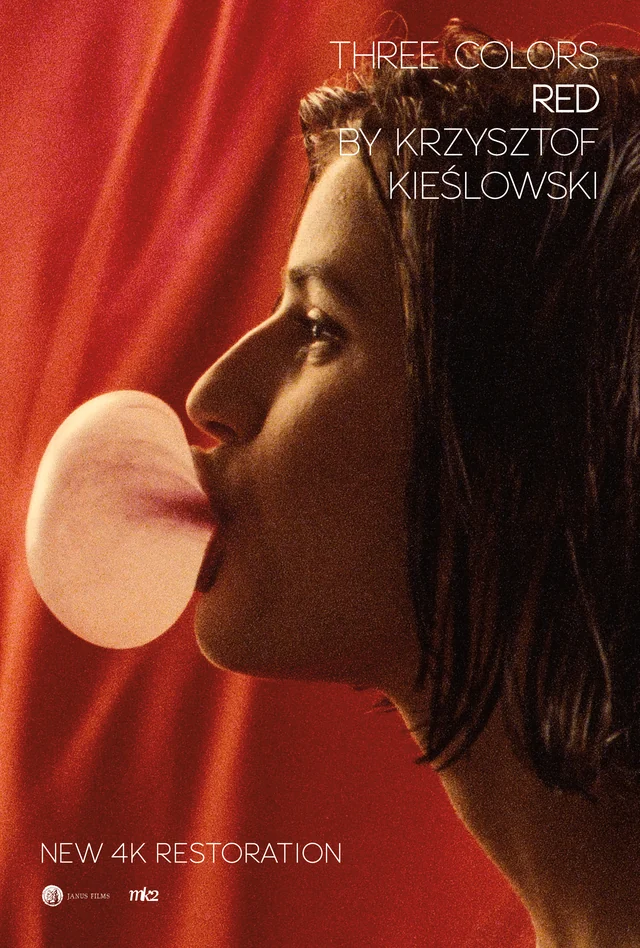
Three Colors: Red
Krzysztof Kieślowski
What to watch for
In each film, choose a moment when someone discovers their dependence on another. Note what sound, an object or information reveals. Compare differences without reducing the stories to one moral.
Plan your sessions
The suggested order is a starting point for discovery. Adapt the number of sessions to edition runtimes and the discussion time you want.
- Three Colors: Blue · 1993 · 98 min
- Three Colors: White · 1994 · 91 min
- Three Colors: Red · 1994 · 99 min
288 min · sum of documented film runtimes, excluding breaks and series.
3 works: compare runtimes, languages and viewing prompts
Choose a first screening
These details combine documented editorial editions and bibliographic encyclopedia data. Check each entry’s source to understand their scope.
| Work | Reference year | Cited edition runtime | Languages listed by source | What to watch for |
|---|---|---|---|---|
| Three Colors: Blue | 1993 | 98 min | French | Can a memory be left behind when its sound returns? |
| Three Colors: White | 1994 | 91 min | French, Polish | Does gaining the upper hand make people equal? |
| Three Colors: Red | 1994 | 99 min | French | Is listening to someone enough to understand them? |