WORLD MOVIES GUIDE ● CINEMA · TV · STREAMING
FRENESDEITPT
WORLD MOVIES GUIDE

Compare two works

Compare documented details, then choose a viewing question. Runtime or genre alone cannot predict your preference; check availability in your country.

Find each work by title, performer, director or year, then choose it from the results.

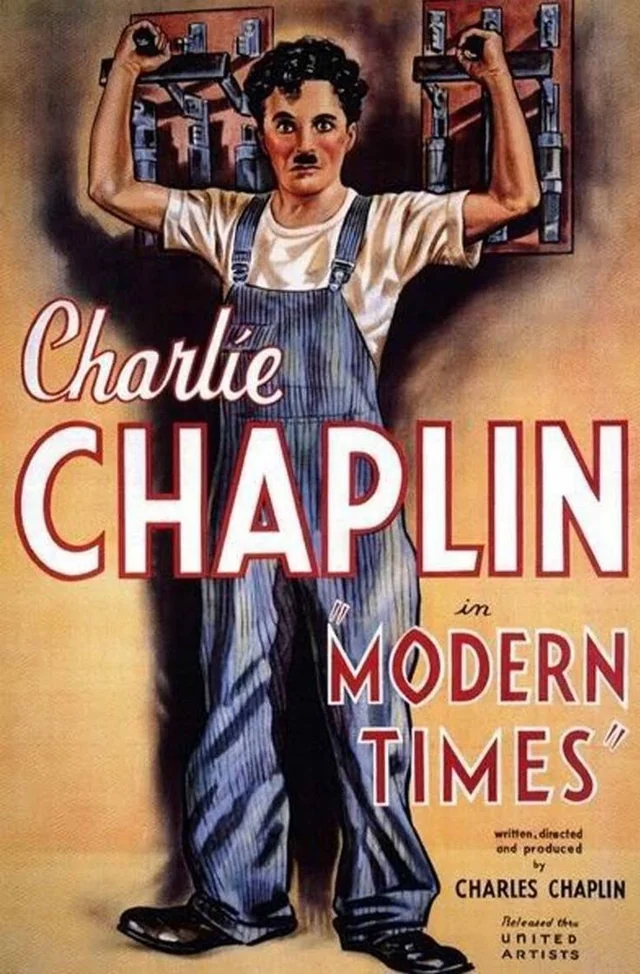
The editorial selection Modern Times (1936)

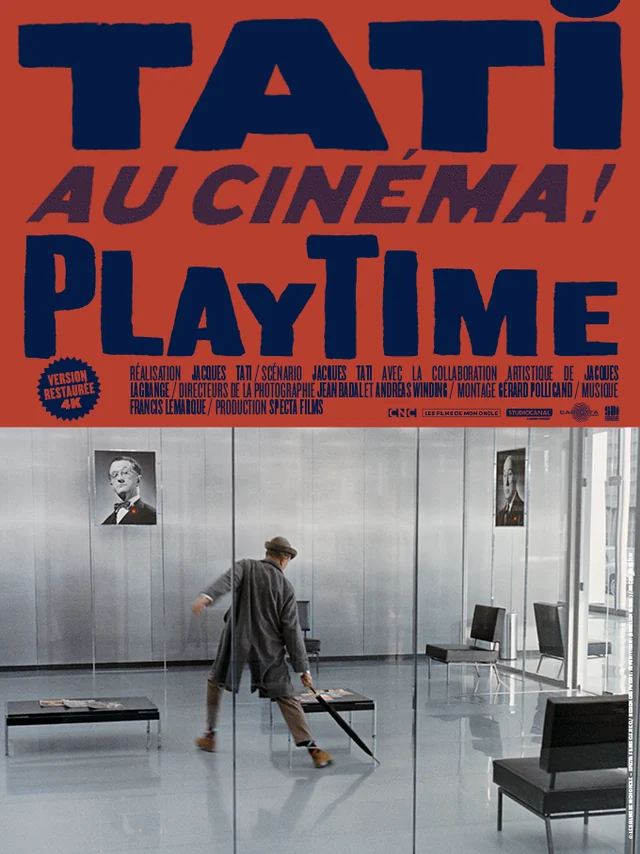
The editorial selection PlayTime (1967)

Reset

Compare two works
Detail 1936Modern TimesPoster unavailable Poster : Modern Times (1936) Modern Times 1967PlayTimePoster unavailable Poster : PlayTime (1967) PlayTime
Content typeFilmsFilms
Director / creatorCharles ChaplinJacques Tati
Reference year19361967
Cited edition runtime87 min123 min
Countries listed by sourceUnited StatesFrance
Languages listed by sourceEnglishFrench
Reference aspect ratio1.33:11.78:1
Cited edition imageBlack and whiteColour
ScreenplayCharles Chaplin
Credits ↗
Jacques Tati, Jacques Lagrange
Credits ↗
CinematographyRoland Totheroh, Ira Morgan
Credits ↗
Jean Badal, Andréas Winding
Credits ↗
MusicCharles Chaplin
Credits ↗
James Campbell, Francis Lemarque
Credits ↗
EditingNot documentedGérard Pollicand
Credits ↗
Sources and referenceswww.criterion.com ↗
Reference checked : 2026-10-29
www.criterion.com ↗
Reference checked : 2026-10-29

Runtime and format describe the cited reference. Other editions may have different cuts, languages and tracks. A series year refers to its first broadcast; its total runtime is not calculated here.

210 min — for both editions, excluding breaks and discussion.

Three friends laughing while cooking together
AI-generated illustration

PlayTime

Monsieur Hulot crosses a Paris of glass and offices where encounters and objects create a comedy of modernity.

What to watch for

Use a screen that keeps details legible and disable edge-cropping zoom. Let your eye wander: a gag need not sit at the centre. On a repeat viewing, follow a supporting character or sound rather than only Hulot.

Analyse a film without losing enjoyment ↗Cuts, restorations and editions: choose a version ↗Picture formats: preserve the frame ↗

Compare after viewing

Choose one scene from each work. First describe an action, a position in the frame or a sound; then explain its effect on your attention. Separate observation from interpretation. When production contexts differ, do not turn a formal difference into a general claim about a country.

Choose a film for your available time ↗Discuss a film after viewing ↗Cuts, restorations and editions: choose a version ↗