WORLD MOVIES GUIDE ● CINEMA · TV · STREAMING
FRENESDEITPT
WORLD MOVIES GUIDE

Compare two works

Compare documented details, then choose a viewing question. Runtime or genre alone cannot predict your preference; check availability in your country.

Find each work by title, performer, director or year, then choose it from the results.

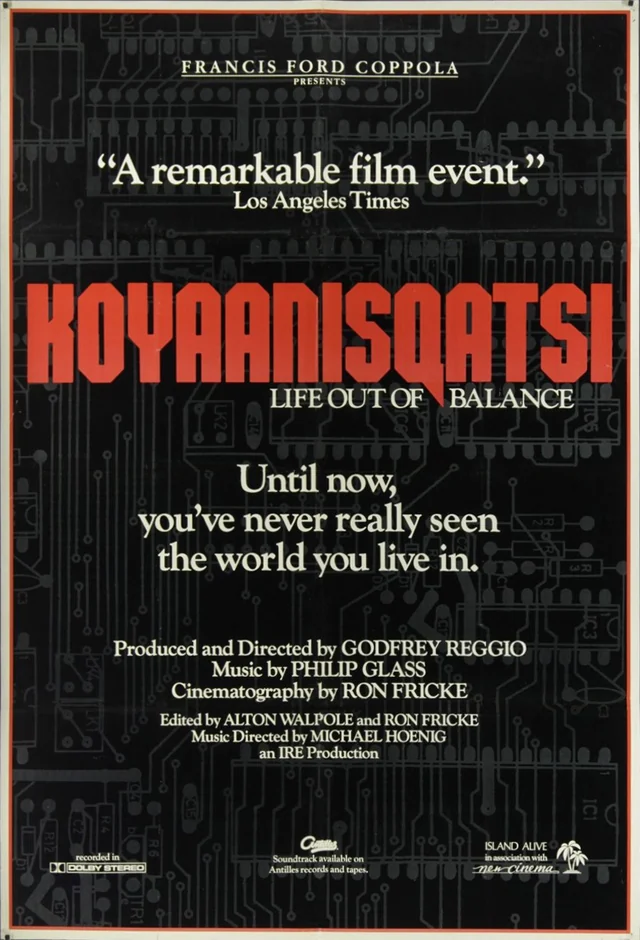
The editorial selection Koyaanisqatsi (1983)

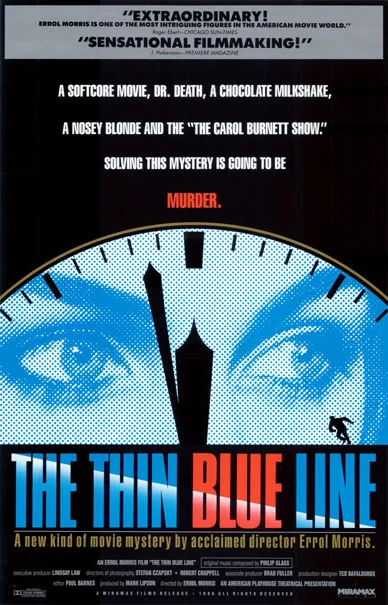
The editorial selection The Thin Blue Line (1988)

Reset

Compare two works
Detail 1983KoyaanisqatsiPoster unavailable Poster : Koyaanisqatsi (1983) Koyaanisqatsi 1988The Thin Blue LinePoster unavailable Poster : The Thin Blue Line (1988) The Thin Blue Line
Content typeFilmsFilms
Director / creatorGodfrey ReggioErrol Morris
Reference year19831988
Cited edition runtime86 min102 min
Countries listed by sourceUnited StatesUnited States
Languages listed by sourceNot documentedEnglish
Reference aspect ratio1.85:11.78:1
Cited edition imageColourColour
CinematographyRon Fricke
Credits ↗
Stefan Czapsky, Robert Chappell
Credits ↗
MusicPhilip Glass
Credits ↗
Philip Glass
Credits ↗
EditingAlton Walpole, Ron Fricke
Credits ↗
Paul Barnes
Credits ↗
Sources and referenceswww.criterion.com ↗
Reference checked : 2026-10-29
www.criterion.com ↗
Reference checked : 2026-10-29

Runtime and format describe the cited reference. Other editions may have different cuts, languages and tracks. A series year refers to its first broadcast; its total runtime is not calculated here.

188 min — for both editions, excluding breaks and discussion.

A small invented interior film set where an adult boom microphone operator holds a microphone above two adult performers rehearsing a conversation, side view.
AI-generated illustration

Koyaanisqatsi

Landscapes, cities and human movement form an experience without dialogue-led narrative. The reference year follows Criterion’s catalogue, which lists 1983.

What to watch for

Notice how image speed and Philip Glass’s music change your sense of time. This documentary is a visual construction, not a neutral inventory. Pay attention to sound and comparisons between natural and urban sequences.

Watch a documentary critically ↗Analyse a film without losing enjoyment ↗Listen to a film: voices, music and effects ↗

Compare after viewing

Choose one scene from each work. First describe an action, a position in the frame or a sound; then explain its effect on your attention. Separate observation from interpretation. When production contexts differ, do not turn a formal difference into a general claim about a country.

Choose a film for your available time ↗Discuss a film after viewing ↗Cuts, restorations and editions: choose a version ↗