
Images, stories and evidence
Compare a sensory essay with an investigation through two documentaries. Their goals differ: notice what images suggest and what testimony allows you to check.
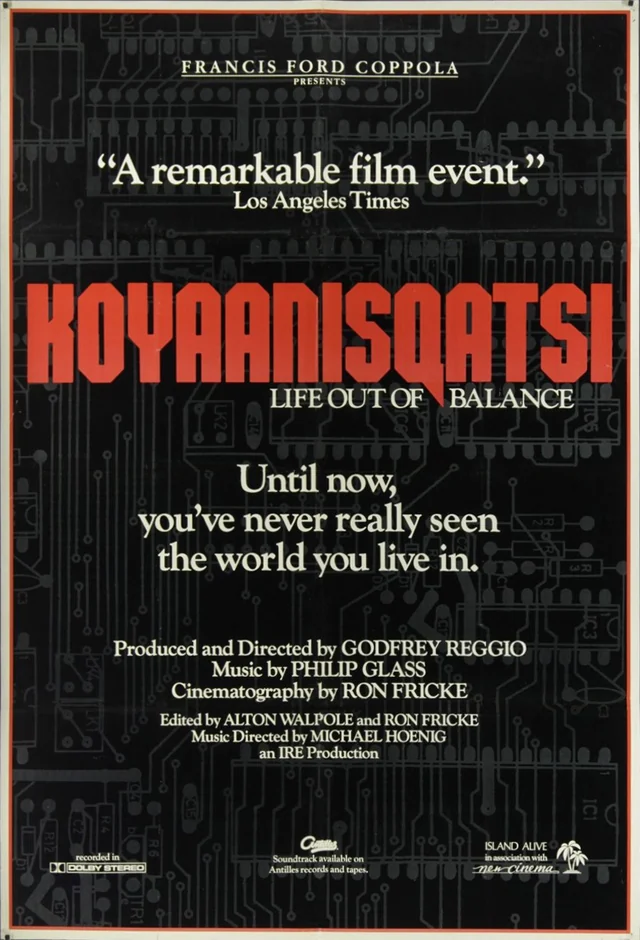
Koyaanisqatsi
Godfrey Reggio
1988The Thin Blue LinePoster unavailable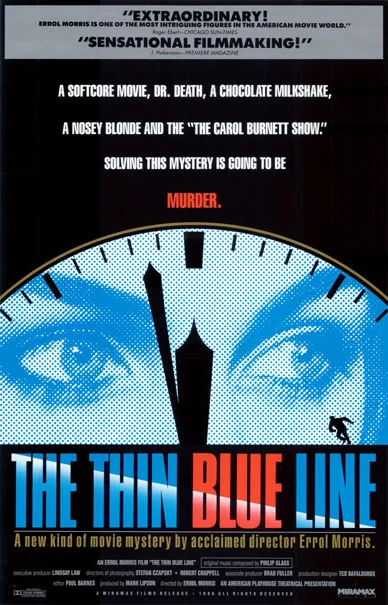
The Thin Blue Line
Errol Morris
1990Close-upPoster unavailable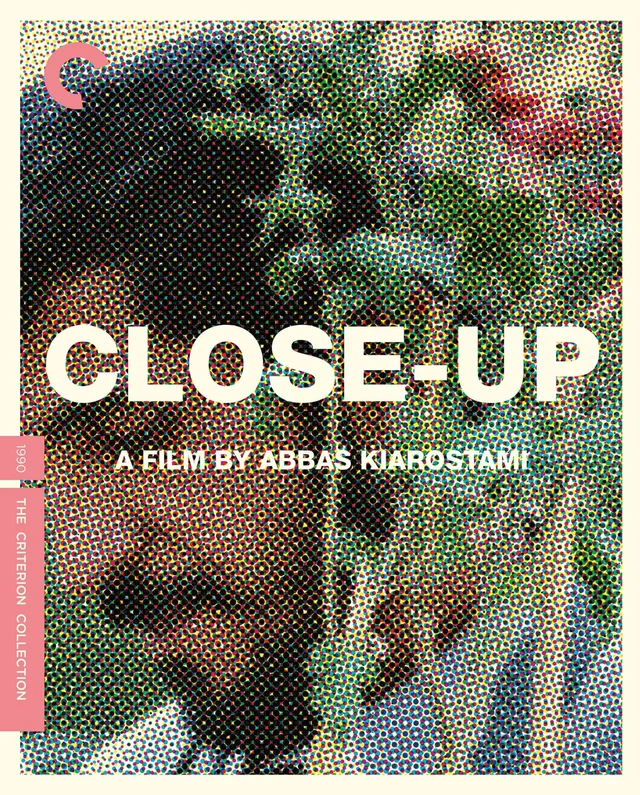
Close-up
Abbas Kiarostami
What to watch for
Classify three observed elements: recorded image, reported statement, reconstruction. For each, ask a question the sequence alone cannot resolve.
Plan your sessions
The suggested order is a starting point for discovery. Adapt the number of sessions to edition runtimes and the discussion time you want.
- Koyaanisqatsi · 1983 · 86 min
- The Thin Blue Line · 1988 · 102 min
- Close-up · 1990 · 98 min
286 min · sum of documented film runtimes, excluding breaks and series.
3 works: compare runtimes, languages and viewing prompts
Choose a first screening
These details combine documented editorial editions and bibliographic encyclopedia data. Check each entry’s source to understand their scope.
| Work | Reference year | Cited edition runtime | Languages listed by source | What to watch for |
|---|---|---|---|---|
| Koyaanisqatsi | 1983 | 86 min | Not documented | Which sequence feels fastest: because of image movement, editing or music? |
| The Thin Blue Line | 1988 | 102 min | English | Which narrative element repeats, and how does repetition change your certainty? |
| Close-up | 1990 | 98 min | Persian | What changes when someone re-enacts an event involving them? |
Prepare your viewing
Cinema paths ↗Connect a still to its version
The BFI explains that negatives, positive prints and export elements can contain different shots or intertitles. A still documents one image from a particular version. Before comparing it with a memory or another edition, record the medium, provenance, framing and exact moment.
Check adjacent shots too: a single image does not describe a sequence’s meaning. Separate the observed difference from a possible explanation, then consult restoration notes. Before publishing a still, check usage rights; online availability is not permission.
The BFI gives an example from Alfred Hitchcock’s The Ring (1927). Comparing British and French materials frame by frame, its archivists identified different takes made with the same camera setups. If two stills show the same action, also compare an actor’s gesture or a prop’s movement and consult the edition notes.
Try the reasoning
Two stills have different edges. What should you check first?
Identify the version, moment and cropping settings before attributing the difference to direction.