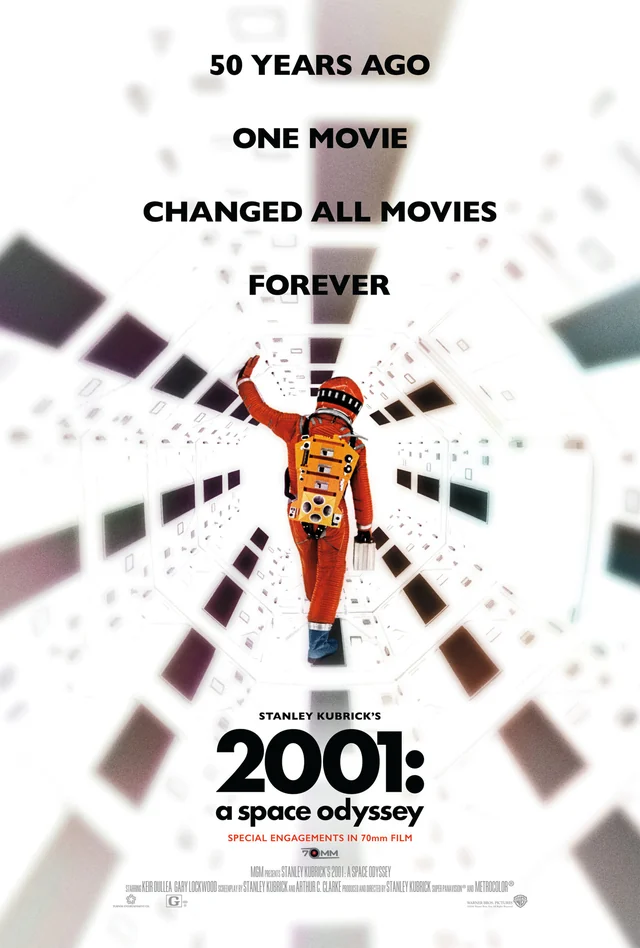
A space journey in which an encounter with an unknown intelligence questions humanity’s place.
What to watch for
Watch the transitions between eras and the role of music: images carry the story as much as dialogue. Allow uninterrupted viewing and avoid explanations of the ending beforehand.
Behind picture and sound
- Screenplay
- Stanley Kubrick, Arthur C. Clarke
- Cinematography
- Geoffrey Unsworth
- Editing
- Ray Lovejoy
- Art direction and sets
- Tony Masters, Harry Lange, Ernest Archer, John Hoesli
2001: watch a transition
Editorial reading · WORLD MOVIES GUIDE ·
These prompts offer interpretation and viewing exercises without revealing the ending. They are distinct from the sourced edition facts in the entry.
One cut, two scales
Choose a transition between spaces or eras. Describe a continuing shape, movement or sound, then what disappears. A connection can be felt without its cause being explained. Separate the visible association from a hypothesis about meaning; a cut need not have one translation.
Compare two waits
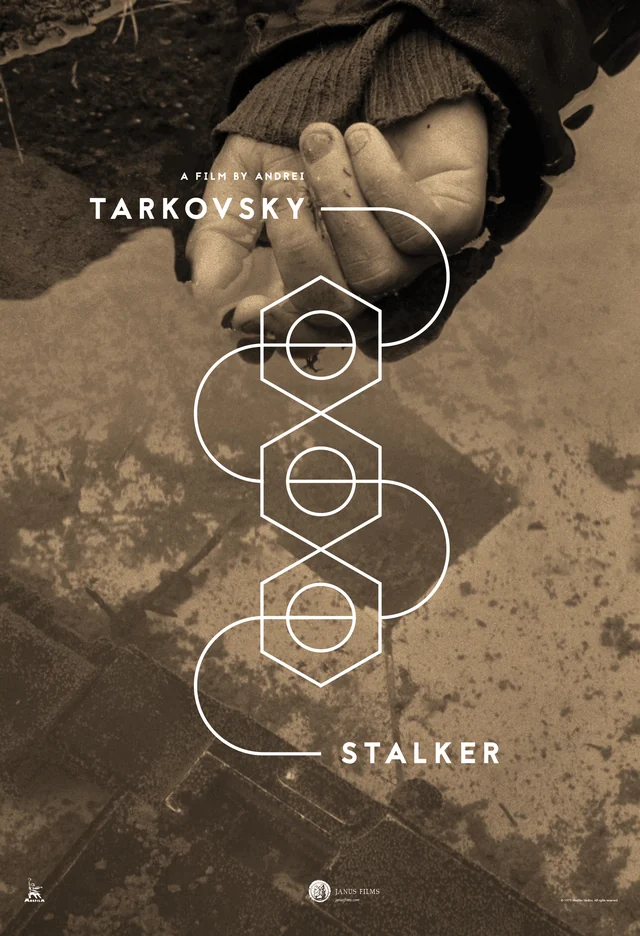
With Stalker, compare waiting for an event and watching a journey. Notice whether you scan the background, listen or anticipate a cut. Long duration need not produce the same attention. Describe what occupied you before labelling a scene slow or fast.
After viewing: a question to discuss
Which transition most changes your sense of time, and what does music do there?
Other search titles
2001 : L’Odyssée de l’espace
World cinema
Before watching
Check availability in your country, audio, subtitles and local age rating. This entry does not promise catalogue availability. Editions may differ: consult the source for technical details.
Reference checked :