WORLD MOVIES GUIDE ● CINEMA · TV · STREAMING
FRENESDEITPT
WORLD MOVIES GUIDE

Compare two works

Compare documented details, then choose a viewing question. Runtime or genre alone cannot predict your preference; check availability in your country.

Find each work by title, performer, director or year, then choose it from the results.

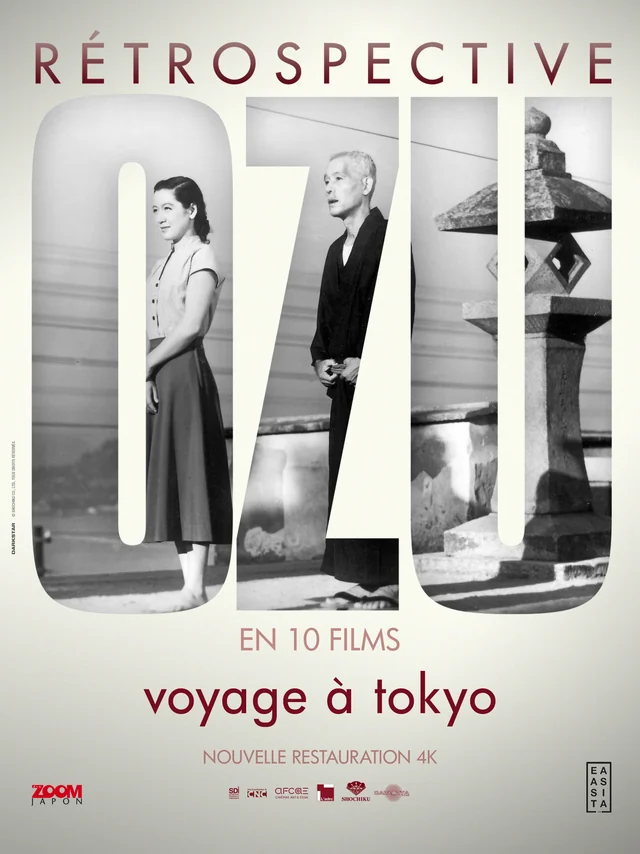
The editorial selection Tokyo Story (1953)

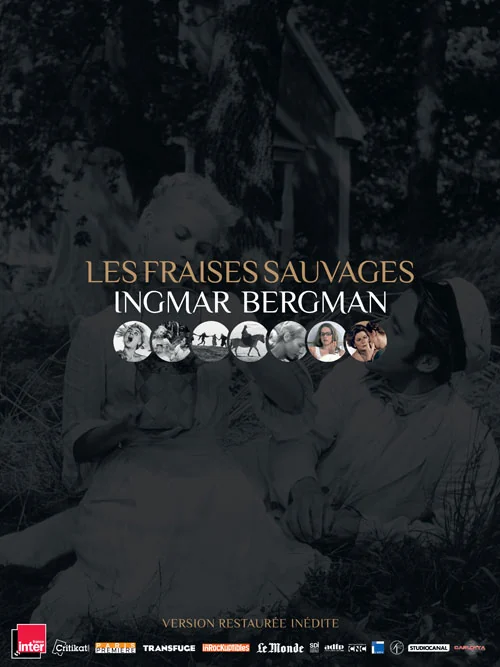
The editorial selection Wild Strawberries (1957)

Reset

Compare two works
Detail 1953Tokyo StoryPoster unavailable Poster : Tokyo Story (1953) Tokyo Story 1957Wild StrawberriesPoster unavailable Poster : Wild Strawberries (1957) Wild Strawberries
Content typeFilmsFilms
Director / creatorYasujiro OzuIngmar Bergman
Reference year19531957
Cited edition runtime137 min92 min
Countries listed by sourceJapanSweden
Languages listed by sourceJapaneseSwedish
Reference aspect ratio1.33:11.33:1
Cited edition imageBlack and whiteBlack and white
ScreenplayKogo Noda, Yasujiro Ozu
Credits ↗
Ingmar Bergman
Credits ↗
CinematographyYuharu Atsuta
Credits ↗
Gunnar Fischer
Credits ↗
MusicKojun Saito
Credits ↗
Erik Nordgren
Credits ↗
EditingYoshiyasu Hamamura
Credits ↗
Oscar Rosander
Credits ↗
Sources and referenceswww.criterion.com ↗
Reference checked : 2026-10-29
www.criterion.com ↗
Reference checked : 2026-10-29

Runtime and format describe the cited reference. Other editions may have different cuts, languages and tracks. A series year refers to its first broadcast; its total runtime is not calculated here.

229 min — for both editions, excluding breaks and discussion.

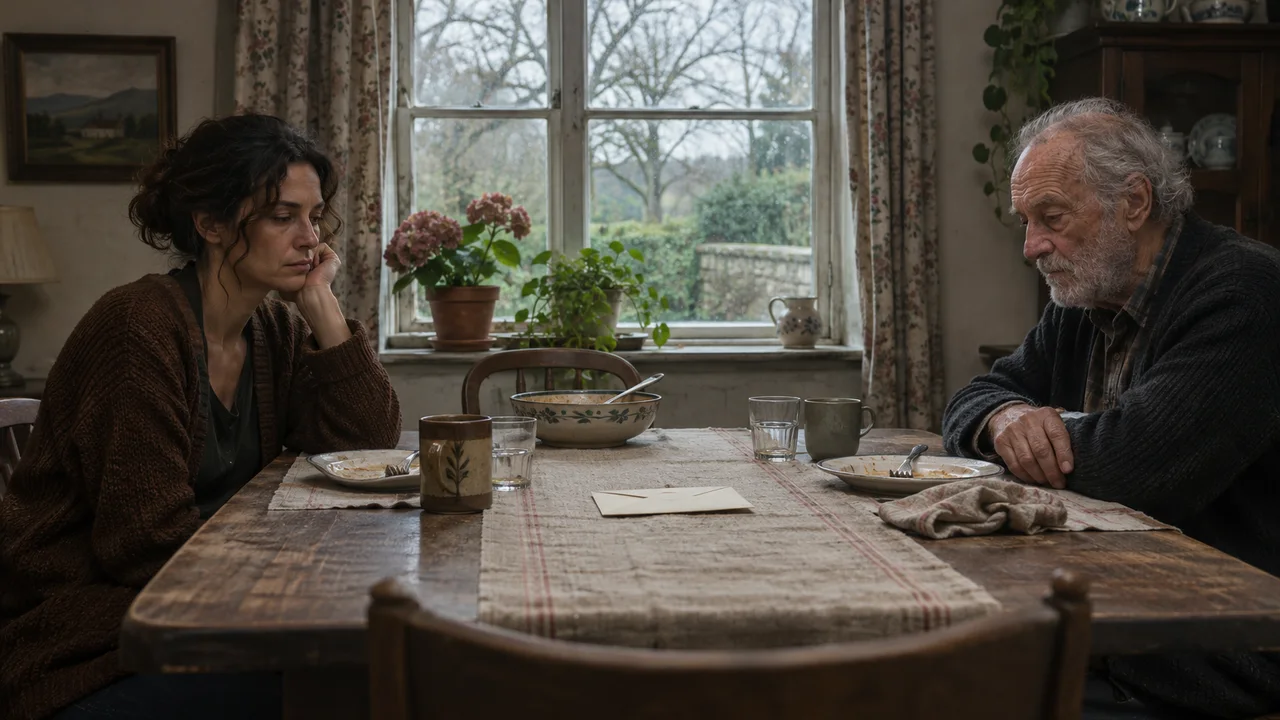
Two generations exchanging a look at a family table
AI-generated illustration

Wild Strawberries

An elderly professor’s journey to a ceremony brings back dreams, memories and family relationships.

What to watch for

Track transitions between present journey, dream and memory without forcing an immediate chronology. Compare the professor’s judgments with how others observe him. Afterwards choose one encounter that changes your perception of him.

Analyse a film without losing enjoyment ↗Cuts, restorations and editions: choose a version ↗Watch a black-and-white film ↗

Compare after viewing

Choose one scene from each work. First describe an action, a position in the frame or a sound; then explain its effect on your attention. Separate observation from interpretation. When production contexts differ, do not turn a formal difference into a general claim about a country.

Choose a film for your available time ↗Discuss a film after viewing ↗Cuts, restorations and editions: choose a version ↗