WORLD MOVIES GUIDE ● CINEMA · TV · STREAMING
FRENESDEITPT
WORLD MOVIES GUIDE

Compare two works

Compare documented details, then choose a viewing question. Runtime or genre alone cannot predict your preference; check availability in your country.

Find each work by title, performer, director or year, then choose it from the results.

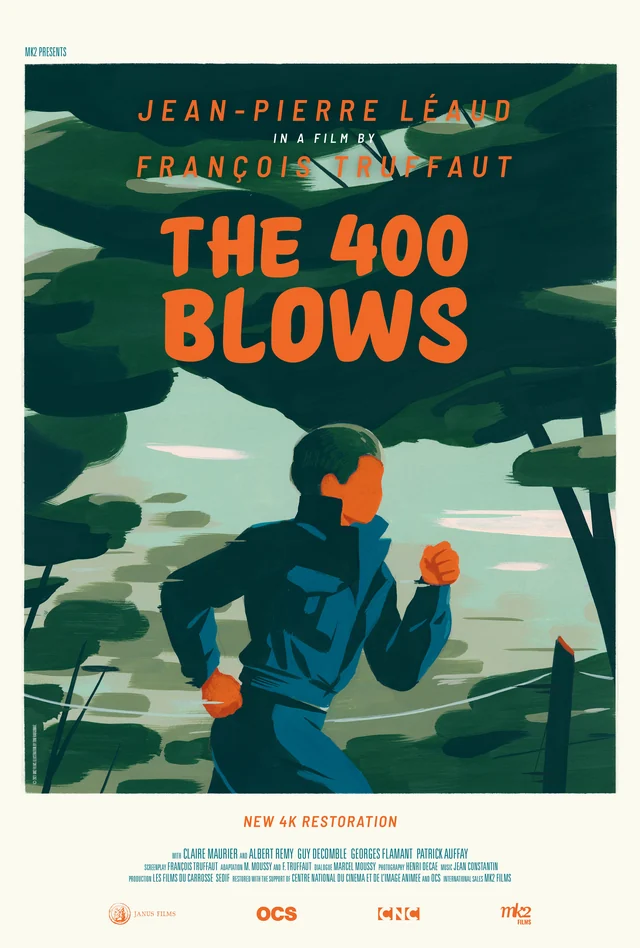
The editorial selection The 400 Blows (1959)

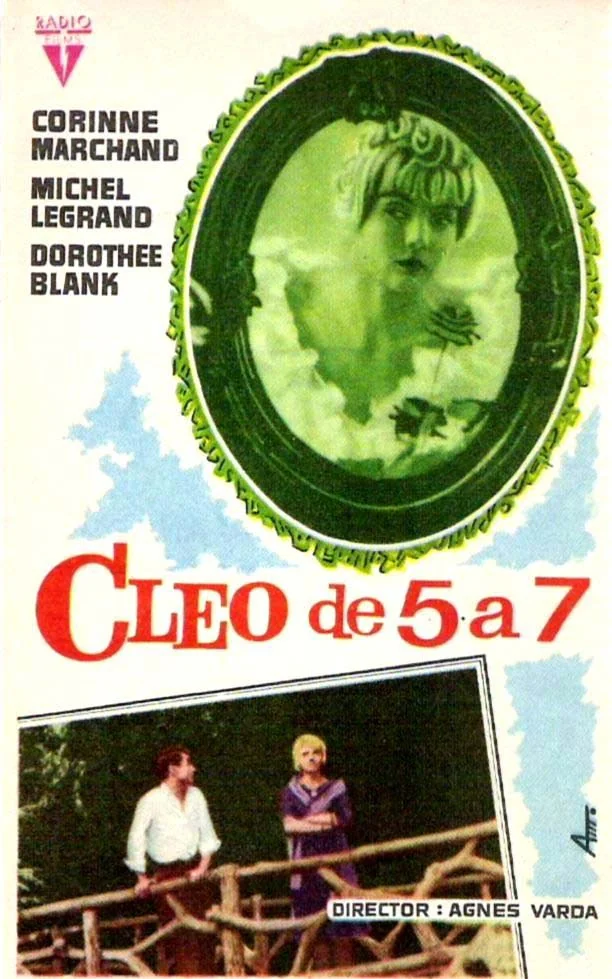
The editorial selection Cléo from 5 to 7 (1962)

Reset

Compare two works
Detail 1959The 400 BlowsPoster unavailable Poster : The 400 Blows (1959) The 400 Blows 1962Cléo from 5 to 7Poster unavailable Poster : Cléo from 5 to 7 (1962) Cléo from 5 to 7
Content typeFilmsFilms
Director / creatorFrançois TruffautAgnès Varda
Reference year19591962
Cited edition runtime99 min89 min
Countries listed by sourceFranceFrance
Languages listed by sourceFrenchFrench
Reference aspect ratio2.35:11.66:1
Cited edition imageBlack and whiteColour and black and white
ScreenplayNot documentedAgnès Varda
Credits ↗
CinematographyHenri Decaë
Credits ↗
Jean Rabier
Credits ↗
MusicJean Constantin
Credits ↗
Michel Legrand
Credits ↗
EditingMarie-Josèphe Yoyotte, Cécile Decugis, Michèle de Possel
Credits ↗
Janine Verneau, Pascale Laverrière
Credits ↗
Sources and referenceswww.criterion.com ↗
Reference checked : 2026-10-29
www.criterion.com ↗
Reference checked : 2026-10-29

Runtime and format describe the cited reference. Other editions may have different cuts, languages and tracks. A series year refers to its first broadcast; its total runtime is not calculated here.

188 min — for both editions, excluding breaks and discussion.

A quiet small cinema interior seen from the side with red seating and visible acoustic wall speakers, no screen content, balanced realistic light.
AI-generated illustration

Cléo from 5 to 7

A singer crosses Paris while awaiting medical test results.

What to watch for

Follow clocks, journeys and moments when Cléo becomes the observer. Title time and viewing runtime refer to different things. With PlayTime, contrast two ways of making a city visible.

Explore world cinema ↗Understand editing without jargon ↗

Compare after viewing

Choose one scene from each work. First describe an action, a position in the frame or a sound; then explain its effect on your attention. Separate observation from interpretation. When production contexts differ, do not turn a formal difference into a general claim about a country.

Choose a film for your available time ↗Discuss a film after viewing ↗Cuts, restorations and editions: choose a version ↗