WORLD MOVIES GUIDE ● CINEMA · TV · STREAMING
FRENESDEITPT
WORLD MOVIES GUIDE

Compare two works

Compare documented details, then choose a viewing question. Runtime or genre alone cannot predict your preference; check availability in your country.

Find each work by title, performer, director or year, then choose it from the results.

The editorial selection Rashomon (1950)

The editorial selection Close-up (1990)

Reset

Compare two works
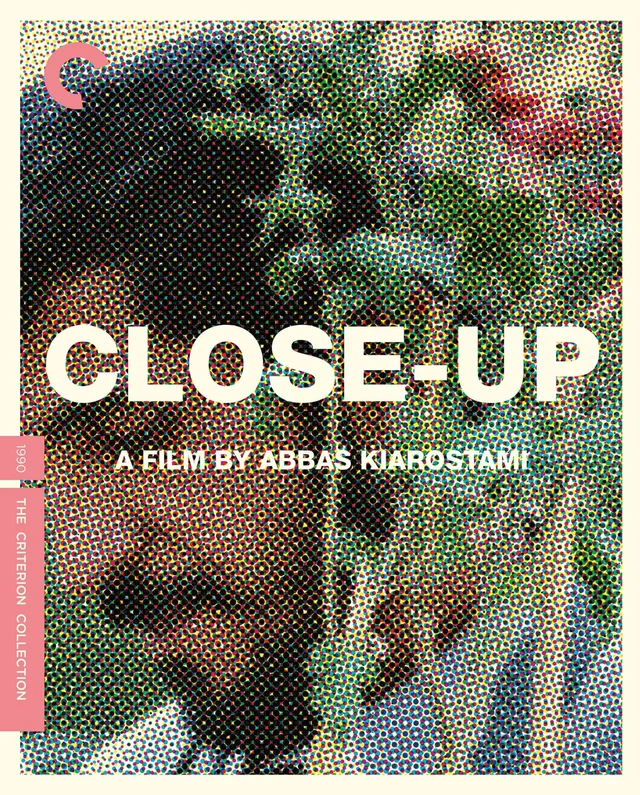
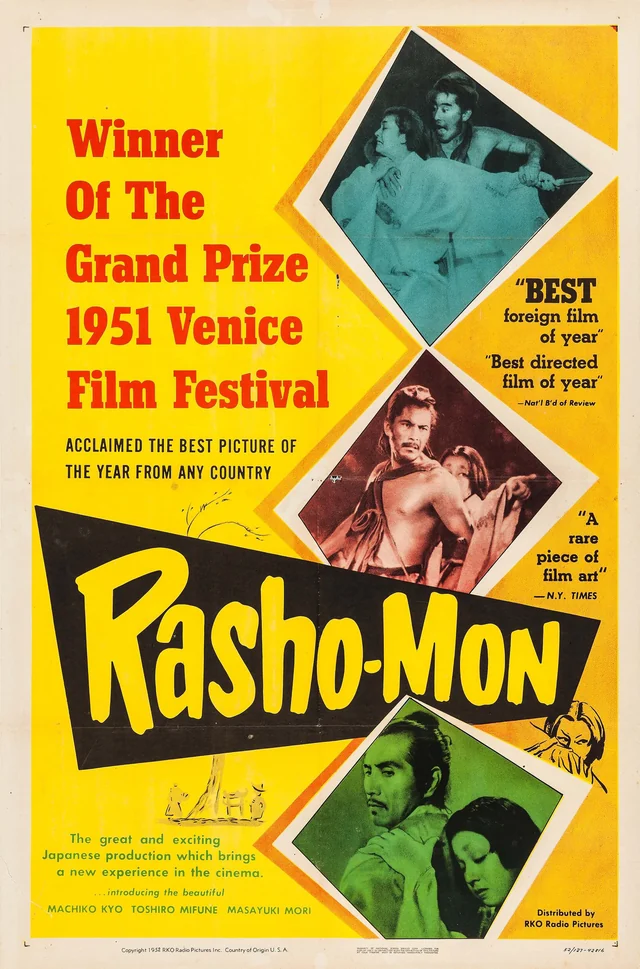
Detail 1950RashomonPoster unavailable Poster : Rashomon (1950) Rashomon 1990Close-upPoster unavailable Video cover : Close-up (1990) Close-up
Content typeFilmsFilms
Director / creatorAkira KurosawaAbbas Kiarostami
Reference year19501990
Cited edition runtime88 min98 min
Countries listed by sourceJapanIran
Languages listed by sourceJapanesePersian
Reference aspect ratio1.33:11.33:1
Cited edition imageBlack and whiteColour
ScreenplayAkira Kurosawa, Shinobu Hashimoto
Credits ↗
Abbas Kiarostami
Credits ↗
CinematographyKazuo Miyagawa
Credits ↗
Ali-Reza Zarrindast
Credits ↗
MusicFumio Hayasaka
Credits ↗
Kambiz Roushanavan
Credits ↗
EditingNot documentedAbbas Kiarostami
Credits ↗
Sources and referenceswww.criterion.com ↗
Reference checked : 2026-10-29
www.criterion.com ↗
Reference checked : 2026-10-29

Runtime and format describe the cited reference. Other editions may have different cuts, languages and tracks. A series year refers to its first broadcast; its total runtime is not calculated here.

186 min — for both editions, excluding breaks and discussion.

A stop-motion animation workspace with a small original clay creature and miniature house, an adult animator adjusting a soft light, textured handmade materials.

Close-up

A man impersonates a filmmaker; those involved re-enact their own story.

What to watch for

Separate testimony from re-enactment. Emotional force does not establish evidence. Compare this viewer agreement to The Thin Blue Line, then competing accounts to Rashomon, without seeking a solution beforehand.

Explore world cinema ↗Understand editing without jargon ↗

Compare after viewing

Choose one scene from each work. First describe an action, a position in the frame or a sound; then explain its effect on your attention. Separate observation from interpretation. When production contexts differ, do not turn a formal difference into a general claim about a country.

Choose a film for your available time ↗Discuss a film after viewing ↗Cuts, restorations and editions: choose a version ↗