WORLD MOVIES GUIDE ● CINEMA · TV · STREAMING
FRENESDEITPT
WORLD MOVIES GUIDE

Compare two works

Compare documented details, then choose a viewing question. Runtime or genre alone cannot predict your preference; check availability in your country.

Find each work by title, performer, director or year, then choose it from the results.

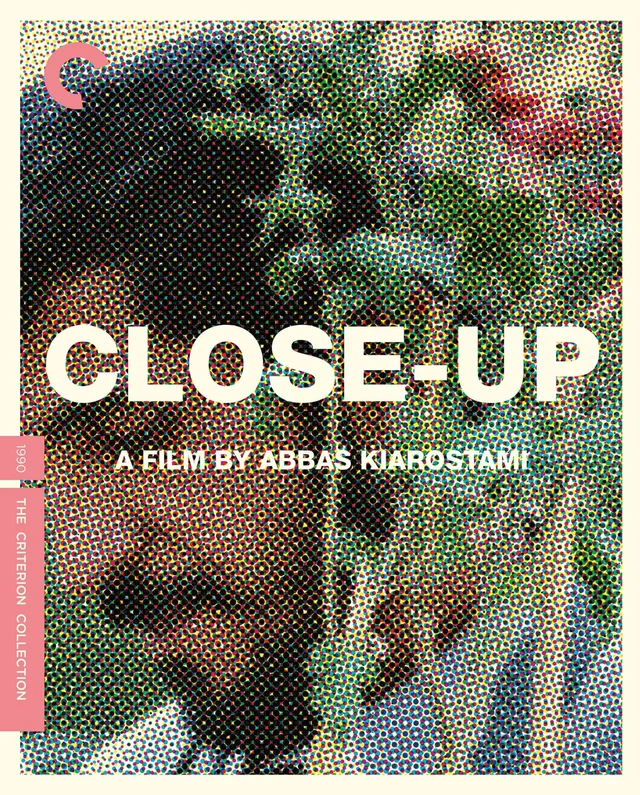
The editorial selection Close-up (1990)

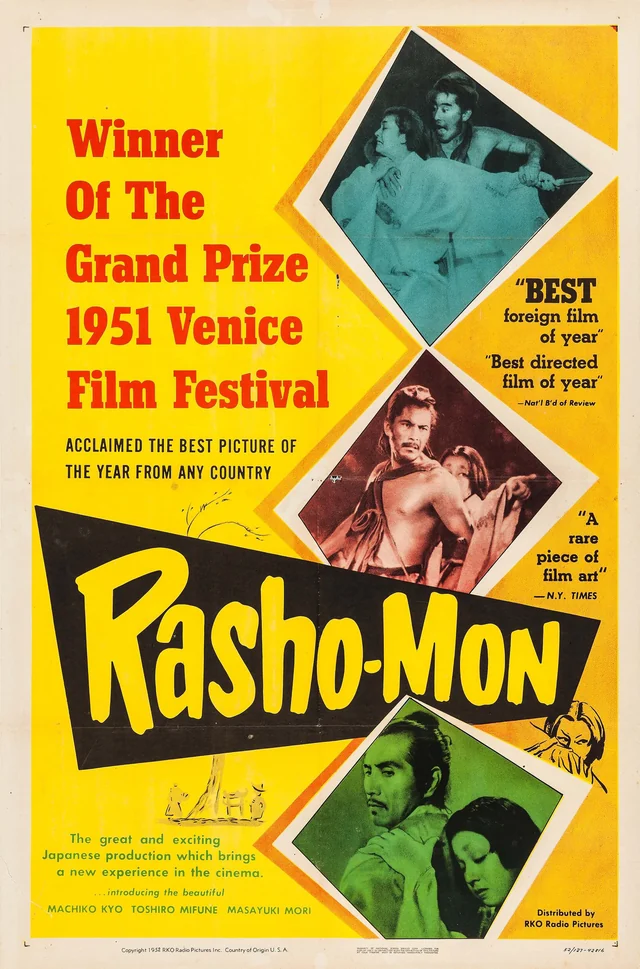
The editorial selection Rashomon (1950)

Reset

Compare two works
Detail 1990Close-upPoster unavailable Video cover : Close-up (1990) Close-up 1950RashomonPoster unavailable Poster : Rashomon (1950) Rashomon
Content typeFilmsFilms
Director / creatorAbbas KiarostamiAkira Kurosawa
Reference year19901950
Cited edition runtime98 min88 min
Countries listed by sourceIranJapan
Languages listed by sourcePersianJapanese
Reference aspect ratio1.33:11.33:1
Cited edition imageColourBlack and white
ScreenplayAbbas Kiarostami
Credits ↗
Akira Kurosawa, Shinobu Hashimoto
Credits ↗
CinematographyAli-Reza Zarrindast
Credits ↗
Kazuo Miyagawa
Credits ↗
MusicKambiz Roushanavan
Credits ↗
Fumio Hayasaka
Credits ↗
EditingAbbas Kiarostami
Credits ↗
Not documented
Sources and referenceswww.criterion.com ↗
Reference checked : 2026-10-29
www.criterion.com ↗
Reference checked : 2026-10-29

Runtime and format describe the cited reference. Other editions may have different cuts, languages and tracks. A series year refers to its first broadcast; its total runtime is not calculated here.

186 min — for both editions, excluding breaks and discussion.

AI-generated illustration

Close-up

A man impersonates a filmmaker; those involved re-enact their own story.

What to watch for

Separate testimony from re-enactment. Emotional force does not establish evidence. Compare this viewer agreement to The Thin Blue Line, then competing accounts to Rashomon, without seeking a solution beforehand.

Explore world cinema ↗Understand editing without jargon ↗

Compare after viewing

Choose one scene from each work. First describe an action, a position in the frame or a sound; then explain its effect on your attention. Separate observation from interpretation. When production contexts differ, do not turn a formal difference into a general claim about a country.

Choose a film for your available time ↗Discuss a film after viewing ↗Cuts, restorations and editions: choose a version ↗